In a feature published by The Jerusalem Post, the author details a newly opened, high‑capacity roadway that cuts the drive from Jerusalem’s bustling Old City to the mineral‑rich shores of the Dead Sea to just 35 minutes. The route, known locally as the “Dead Sea Expressway,” follows a series of tunnels and viaducts that snake down the Judean foothills, offering drivers panoramic views of the Judean Desert before descending to the basin that lies more than 400 metres below sea level. The article notes that the project, completed in early 2026, was designed to boost tourism while easing traffic on the older Highway 90.
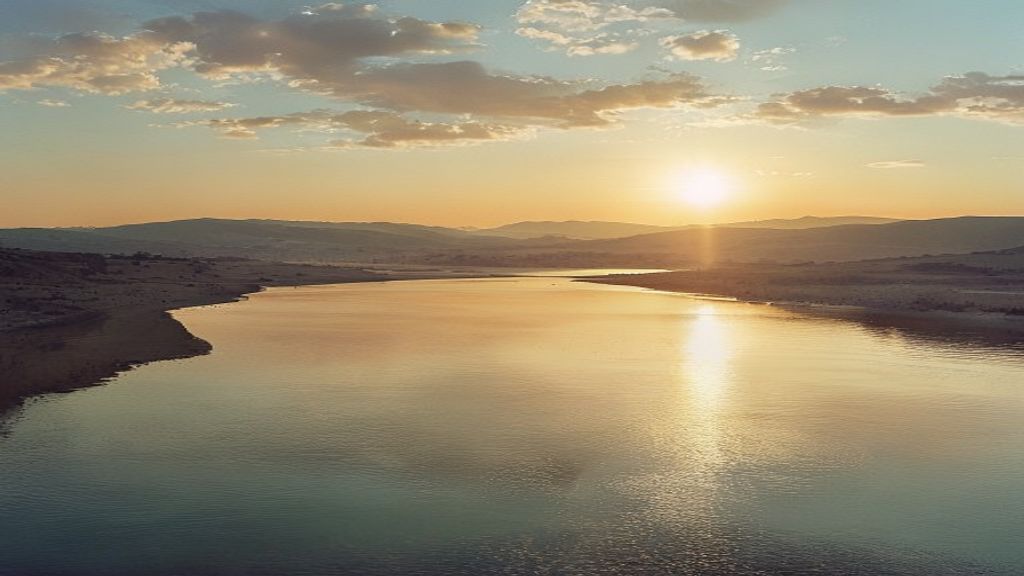
Beyond the speed, the piece emphasizes the Dead Sea’s long‑standing reputation for healing. The lake’s hyper‑saline water, rich in magnesium, calcium, and potassium, has been used for therapeutic skin treatments for centuries. Visitors can float effortlessly, experience the unique sensation of being “weightless,” and benefit from mud applications said to soothe arthritis and skin conditions. The author quotes local spa operators who claim that the rapid access “makes a day‑trip from Jerusalem feasible for anyone seeking both physical relief and spiritual renewal.”
Biblical Landscape
The geography described in the article mirrors the biblical picture of the land promised to Israel. Scripture repeatedly links the region’s waters with restoration and blessing. For example, the prophet Isaiah foretells a future where the desert blooms and the waters flow:
“The desert and the parched land will be glad; the wilderness will rejoice and blossom like a rose.” (Isaiah 35:1‑2)
Similarly, the Psalms celebrate the “waters of the Jordan” as a source of life (Psalm 23:2). Though the Dead Sea is not a fresh river, its mineral‑laden waters have been associated with cleansing in Jewish tradition, echoing the idea that “the waters of the sea shall be healed” (Jeremiah 31:12).
Perspective
From a biblical‑worldview perspective, some believers see the swift connection between Jerusalem—the historic “city of David” and spiritual heart of Israel—and the Dead Sea’s restorative waters as a modern illustration of God’s promise to bring life to the dry places of the nation. This view does not claim prophetic fulfillment, but rather reflects on how contemporary infrastructure can echo the biblical theme of “turning deserts into gardens.”
Implications for Faith and Community
The new expressway is already influencing local economies. Tour operators report a surge in bookings, and small businesses in Ein Gedi and Masada are benefiting from increased foot traffic. For Christian pilgrims, the ease of travel offers an opportunity to walk the same hills where Jesus taught, then descend to the ancient basin that once bordered the kingdoms of Israel and Judah. Many plan to combine prayerful reflection at the Mount of Olives with a meditative float on the Dead Sea, drawing a tangible link between the “mountain” and “water” motifs found throughout Scripture.
While the article focuses on logistical and health benefits, the author reminds readers that the land’s beauty also invites spiritual contemplation. As believers travel the short 35‑minute corridor, they are encouraged to remember that “the Lord makes all things new” (Revelation 21:5) and to pray for the nation’s continued peace and restoration.
For the full report, see the original article at The Jerusalem Post.