Diagnosing and Fixing the “There Has Been a Critical Error on This Website” Screen in WordPress Using WP_DEBUG_LOG
Diagnosing WordPress Critical Error via WP_DEBUG_LOG

Since WordPress 5.2 introduced the built-in fatal error recovery mode, unhandled PHP fatal errors (such as E_ERROR, E_PARSE, or E_COMPILE_ERROR) halt script execution and render the generic “There has been a critical error on this website” screen instead of displaying a completely blank white screen. Resolving this error in a live production environment without guessing … Read more
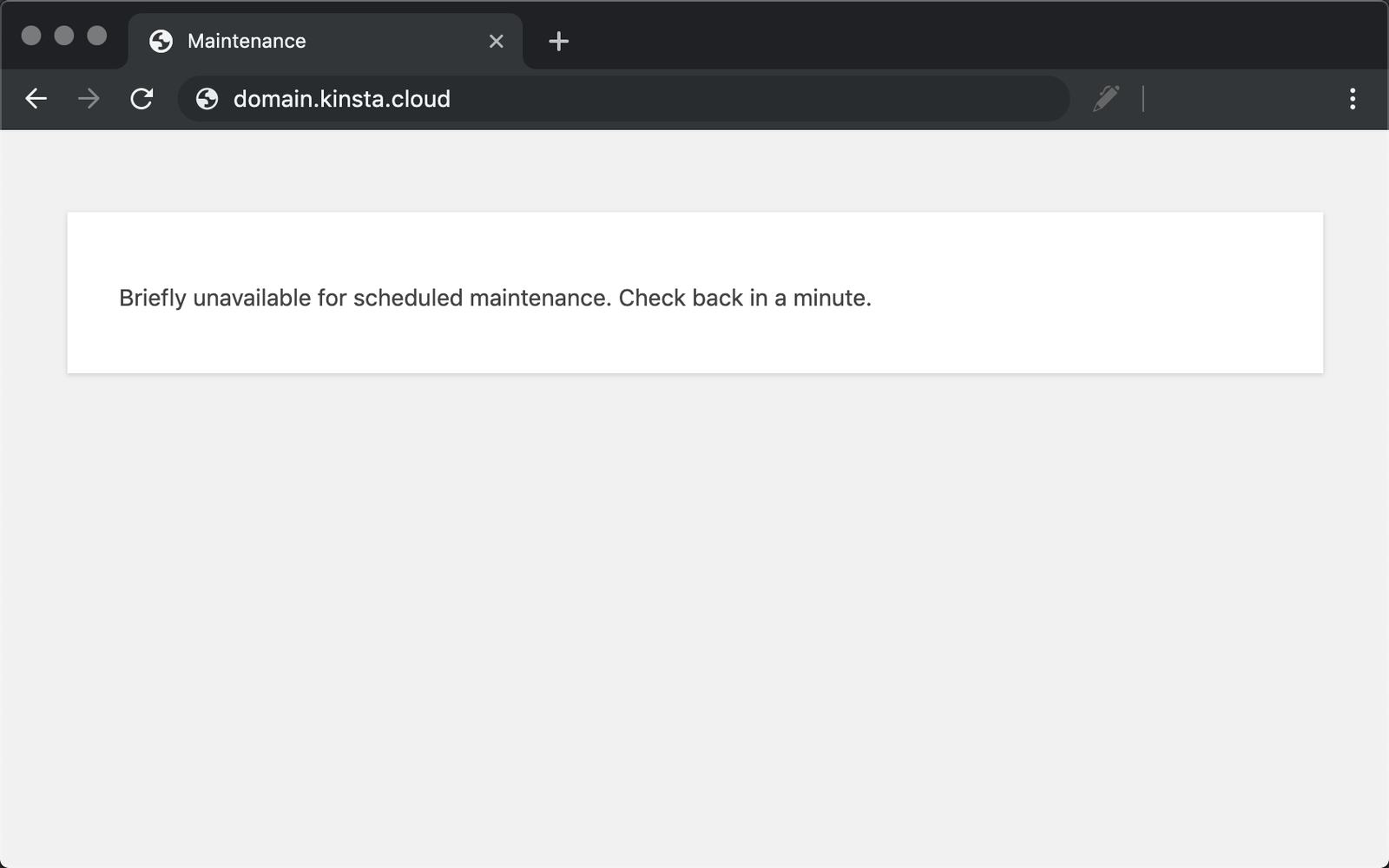
How to Fix the “Briefly Unavailable for Scheduled Maintenance” Stuck Error in WordPress?

The “Briefly unavailable for scheduled maintenance. Check back in a minute.” error is a core WordPress protective state, not a catastrophic software failure. When you initiate an update for the WordPress core, active themes, or installed plugins, the application executes a script that dynamically writes a temporary hidden file named .maintenance directly into your server’s … Read more

Safely Switching Between WordPress Classic and Block Editors Without Breaking Formatting

The architectural divide between the WordPress Classic Editor and the Block Editor (Gutenberg) lies fundamentally in how they parse, serialize, and store database content. The legacy Classic Editor relies on raw HTML combined with the wpautop() function, which dynamically injects paragraph and break tags at runtime. Conversely, the Block Editor utilizes a specialized serialized HTML … Read more

How to Eliminate WordPress REST API “403 Forbidden” Errors (Complete Fix)?

The WordPress REST API (accessed via the /wp-json/ namespace) is the architectural backbone for the Block Editor (Gutenberg), headless decoupled applications, mobile apps, and third-party SaaS integrations like Zapier. A 403 Forbidden error on this endpoint means your server successfully received the HTTP request, understood the payload, but actively refused to authorize it. Unlike a … Read more

How to Maintain Consistent Character Faces Across Multiple AI Image Generations?

AStoryboarding a graphic novel, product campaign, or multi-scene video with AI image generators quickly hits a common production wall: every new prompt generates a completely different face for your protagonist. Locking in identical facial bone structure, eye spacing, and lighting across dozens of renders requires combining seed locking, multi-angle character sheets, and IP-Adapter (Image Prompt … Read more

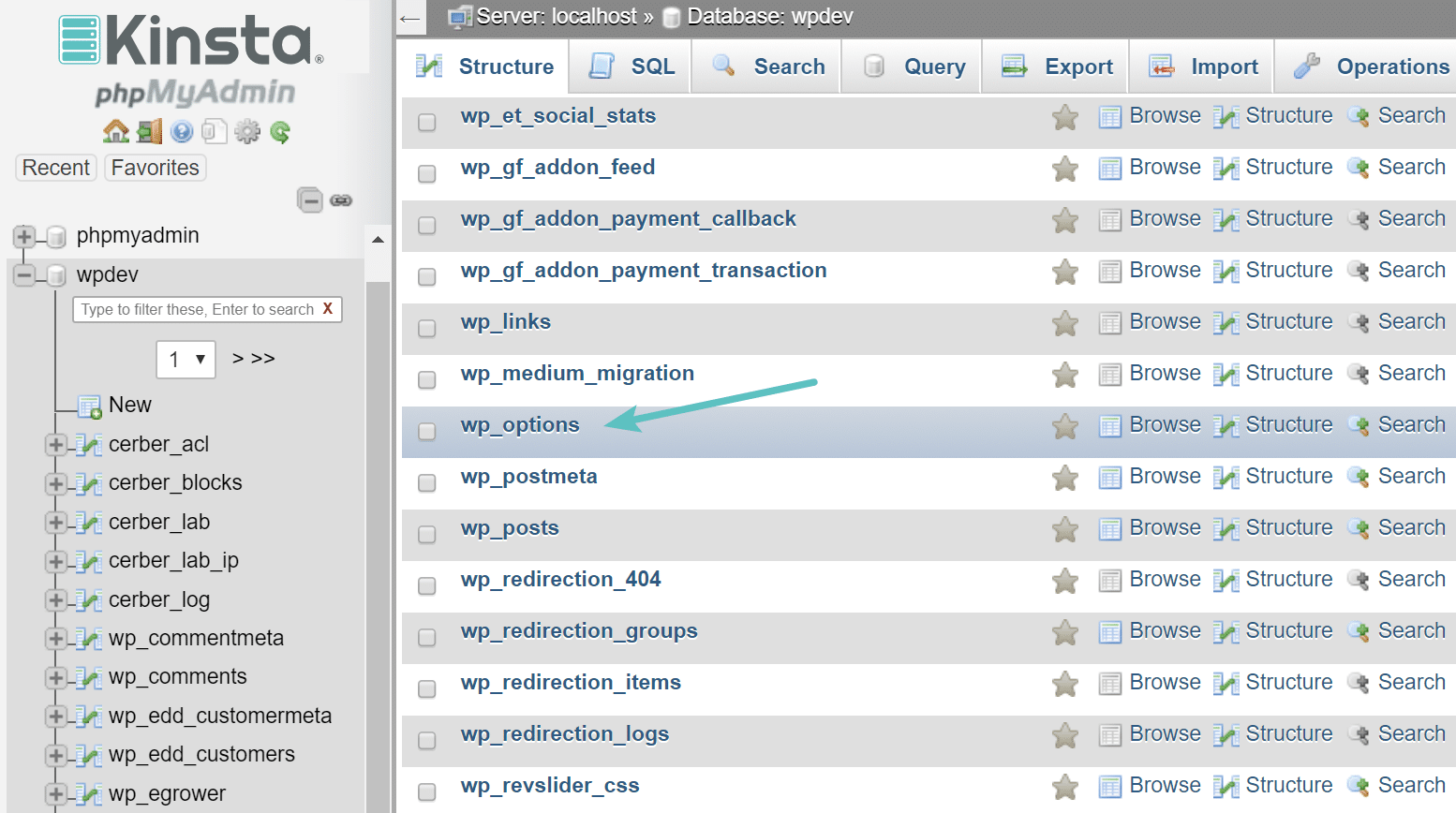
Optimizing WordPress wp_options Autoload Data to Fix Slow Backend Loading

The WordPress wp_options table is the central nervous system for your application’s configuration, storing everything from the site URL to complex plugin settings. By design, WordPress executes the wp_load_alloptions() function on every single page load—both frontend and backend. This function runs a broad SQL query: SELECT option_name, option_value FROM wp_options WHERE autoload = ‘yes’. Ideally, … Read more

Building a Multi-Step AI Prompt Pipeline for Long-Form Video Script Outlining

Generating a cohesive, 20-minute long-form video script using a single AI prompt consistently fails due to Large Language Model (LLM) context window degradation and conflicting instructional objectives. When forced to research topics, structure a narrative arc, write dialogue, maintain consistent character avatars, and format visual cues simultaneously, models balance competing objectives poorly. This leads to … Read more

Automating Website Feature Image Generation Using Custom AI Prompt Templates

Manually sourcing, resizing, and uploading feature images for large-scale digital publishing creates a severe editorial bottleneck that stalls content velocity. Automating website feature image generation bridges the critical gap between text-based Content Management Systems (CMS) and generative AI neural networks (such as OpenAI’s DALL-E 3, Google Gemini, Stability AI, or Midjourney via custom API wrappers). … Read more

How to Train Custom Style References in Image Generators for Brand Consistency?

Design teams adopting AI visual tools often struggle to match outputs to an existing brand style guide. Even when two team members copy and paste the exact same text prompt, standard image models produce mismatched color temperatures, varying illustration weights, and conflicting lighting styles. Establishing a repeatable visual identity requires moving beyond text adjectives to … Read more

Fixing Common Artifacts and Text Rendering Glitches in Generative AI Visuals

Nothing gives away an unedited AI illustration faster than misspelled signage, warped keyboard layouts, or extra fingers in the foreground. While modern image synthesis handles broad lighting and composition well, fine geometric structures and embedded typography frequently break down during high-resolution upscaling. Correcting these visual defects efficiently requires targeted regional inpainting, ControlNet Canny edge maps, … Read more