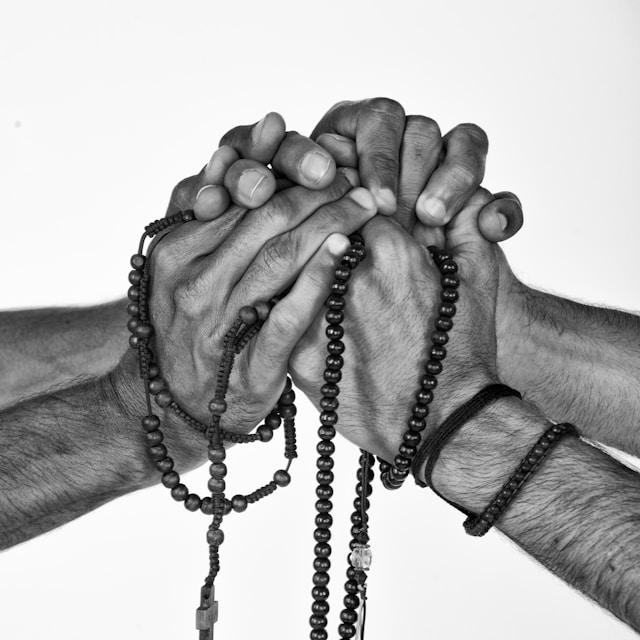
In today’s rapidly changing world, many observers question whether society is losing a clear sense of right and wrong. Cultural shifts, technological advancements, and evolving social norms have blurred traditional moral boundaries, leading to confusion, ethical compromise, and moral ambiguity. For believers and thoughtful individuals, understanding the causes and consequences of this trend is essential to preserve integrity, make ethical decisions, and live in alignment with timeless principles.
Understanding Moral Clarity
A clear sense of right and wrong provides a framework for ethical behavior, decision-making, and social cohesion. Moral clarity is guided by principles that distinguish ethical actions from unethical ones, truth from deception, and justice from injustice.
- Objective moral standards: Rooted in universal truths or divine principles rather than subjective opinions.
- Ethical consistency: Enables individuals and societies to apply moral principles reliably across contexts.
- Guidance for decisions: Provides a foundation for navigating personal, social, and professional dilemmas.
Without moral clarity, individuals risk confusion, inconsistency, and vulnerability to manipulation.
Factors Contributing to Moral Confusion
Several cultural and societal trends contribute to the perception that our sense of right and wrong is diminishing:
1. Moral Relativism
Moral relativism promotes the idea that right and wrong are subjective, shaped by personal feelings or cultural norms. While it encourages tolerance, it can also dilute ethical standards and justify questionable behavior.
2. Media and Digital Influence
Social media, 24-hour news cycles, and entertainment often present sensationalized or biased content. Exposure to conflicting narratives can obscure ethical judgment and normalize morally ambiguous behavior.
3. Erosion of Traditional Values
Shifts away from long-established moral frameworks, including religious or cultural ethics, have created spaces where societal norms are continually redefined, sometimes prioritizing convenience or popularity over principle.
4. Emphasis on Individualism
While personal freedom and self-expression are valuable, extreme individualism can promote self-interest over collective responsibility, undermining shared ethical standards.
The Biblical Perspective on Right and Wrong
The Bible provides clear guidance on moral principles and ethical behavior:
- God as the moral standard: Deuteronomy 32:4 describes God as “the Rock, whose works are perfect, and all His ways are just.”
- Clear ethical instructions: The Ten Commandments and Jesus’ teachings offer guidance on honesty, justice, compassion, and integrity.
- Consequences for moral deviation: Proverbs 14:12 warns, “There is a way that seems right to a man, but its end is the way to death,” highlighting the dangers of subjective moral judgment.
By anchoring morality in God’s truth, believers can maintain clarity in a culture that increasingly questions absolutes.
Consequences of Losing Moral Clarity
The erosion of a shared sense of right and wrong can have profound personal and societal effects:
- Ethical inconsistency: Individuals may act according to convenience or peer pressure rather than principle.
- Social fragmentation: Lack of common moral standards can weaken trust and cohesion in communities.
- Rise of deception: Manipulation and misinformation thrive in environments without clear moral boundaries.
- Spiritual compromise: Departing from biblical principles may result in weakened faith and ethical confusion.
These consequences underscore the importance of grounding ethical understanding in timeless truths rather than shifting cultural trends.
Preserving a Sense of Right and Wrong
Believers and communities can take intentional steps to maintain moral clarity:
- Anchor in scripture: Regular study of the Bible provides a consistent foundation for ethical decisions.
- Reflect and self-examine: Personal awareness of actions, motives, and consequences fosters integrity.
- Engage in moral dialogue: Discussing ethical issues with mentors, faith communities, and peers reinforces understanding.
- Model integrity: Demonstrating ethical behavior encourages others to uphold moral standards.
- Resist societal pressure: Upholding truth and justice, even when unpopular, strengthens moral resilience.
These practices ensure that ethical decisions are grounded in principle, not merely social trends.
The Role of Awareness and Discernment
Awareness and discernment are critical tools for navigating a morally complex society:
- Awareness: Recognizing cultural trends, biases, and ethical dilemmas helps individuals respond thoughtfully rather than react impulsively.
- Discernment: Evaluating actions and information against biblical truth and ethical standards ensures responsible judgment.
Together, awareness and discernment empower individuals to maintain clarity, resist moral compromise, and influence society positively.
Conclusion
The question of whether we are losing our sense of right and wrong is a reflection of contemporary moral challenges. Cultural shifts, moral relativism, media influence, and individualism contribute to ethical ambiguity, but moral clarity remains accessible through intentional grounding in truth, biblical principles, and reflective practice.
Believers are called to uphold integrity, discernment, and ethical courage. By anchoring decisions and behavior in timeless principles, individuals can navigate a morally complex world with confidence, guide others toward truth, and foster communities rooted in justice, compassion, and ethical clarity.
In an age of uncertainty and shifting norms, maintaining a clear sense of right and wrong is not only essential for personal integrity but also for the health and stability of society. Moral clarity, guided by faith and discernment, ensures that decisions, relationships, and societal actions reflect justice, truth, and purpose.