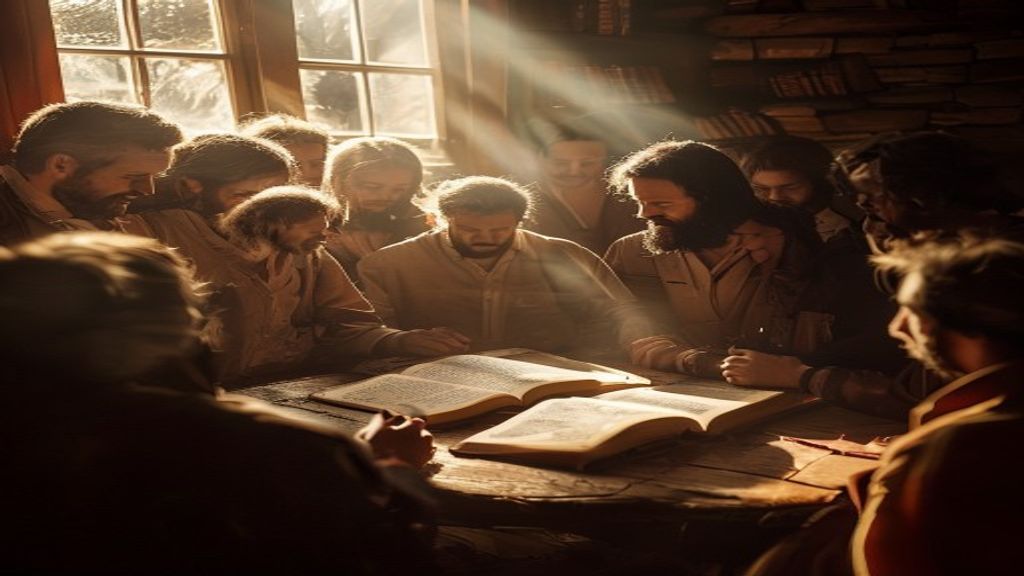
When we hear the phrase “covenant,” we often picture ancient contracts or solemn oaths. Yet every human longing for security, belonging, and purpose finds its true answer in the covenant God has made with His people—a covenant that points directly to Jesus Christ.
What Covenant Theology Teaches
“So that you may enter into the sworn covenant of the LORD your God, you and your children, and that He may establish you as His people, and that He may be your God.” — Deuteronomy 29:12‑13 (ESV)
Throughout Scripture the repeated refrain “I shall be your God, and you shall be My people” (Gen. 17:7; Ex. 6:7; Jer. 31:1; Ezek. 36:28; 2 Cor. 6:16; Rev. 21:3) reveals a divine pattern: God initiates relationship, and humanity responds. Covenant theology traces the historic administrations of this relationship—from the covenant of works with Adam, through the covenants with Noah, Abraham, Moses, and David, to the ultimate new covenant in Christ (Ezek. 37:24‑28). Each administration shows God’s faithfulness to bind His people to Himself, even when humanity repeatedly breaks the bond (Rom. 5:12‑14).
The Human Condition: Why We Need a Covenant
“For all have sinned and fall short of the glory of God.” — Romans 3:23 (ESV)
Sin has fractured the original covenant of perfect obedience. Adam’s failure brought death and a curse that spread to every descendant (Gen. 3:17‑19). The New Testament confirms that apart from Christ we are “dead in our trespasses and sins” (Eph. 2:1‑3) and are under God’s righteous judgment (Rom. 3:23). This broken state explains why the covenant of works could not be fulfilled by humanity and why God had to devise a new way of grace.
Christ at the Center of the Covenant
“The Word became flesh and dwelt among us, and we have seen his glory, glory as of the only Son from the Father, full of grace and truth.” — John 1:14 (ESV)
Jesus Christ is the fulfillment of every covenant promise. In the covenant of redemption, the Father appointed the Son to be the Mediator who would satisfy both the curse of the covenant of works (by bearing its penalty) and the requirements of the law (by keeping it perfectly). As Paul writes, “For if, because of one man’s trespass, death reigned through that one man, how much more will those who receive the abundance of grace and the free gift of righteousness reign in life through the one man Jesus Christ?” (Rom. 5:17‑18, ESV). The new covenant, inaugurated at the Last Supper, is sealed by Christ’s blood (Matt. 26:28) and empowered by the Holy Spirit (Acts 2:33), guaranteeing that believers become “children of God” (John 1:12) and heirs of the promises made to Abraham (Gal. 3:16).
Through Christ’s death, the curse of the covenant of works was transferred to Him (2 Cor. 5:21). His resurrection confirms the victory over sin and death, establishing the everlasting covenant of peace (Heb. 13:20‑21). The entire redemptive story—creation, fall, covenant promises, and consummation—finds its climax in Him.
Living Out the Covenant Today
Understanding covenant theology reshapes how we live as God’s people. Here are three practical ways to embody the covenant relationship:
1. Walk in the Grace Given to Us
- Recognize that every blessing—salvation, forgiveness, and daily provision—flows from the covenant of grace (Eph. 2:8‑9). Respond with gratitude and obedience (Col. 2:6‑7).
- Practice regular confession and repentance, remembering that the covenant calls us to holiness (1 Pet. 1:15‑16).
2. Bear Fruit for the Covenant Community
- Engage in corporate worship and fellowship, reflecting the covenant’s communal nature (Heb. 10:24‑25).
- Serve others as an expression of the covenant love that God has shown us (Matt. 25:35‑40).
3. Proclaim the Covenant Promise
- Share the gospel, declaring that Christ is the fulfillment of God’s covenant promises to Abraham, David, and Israel (Acts 3:18).
- Live with an eternal perspective, anticipating the final consummation of the covenant in the new heavens and new earth (Rev. 21:3‑4).
The Gospel Call
“For God so loved the world, that he gave his only Son, that whoever believes in him should not perish but have eternal life.” — John 3:16 (ESV)
Our humanity is marked by sin and the inevitable judgment it brings (Rom. 6:23). Yet the covenant of grace, centered on Jesus Christ, offers a way out: He bore our curse on the cross, rose victorious, and now invites us into a covenant relationship where He is our God and we are His people. Repent of your sins, place your faith in Christ’s finished work, and receive the new life He offers. As you do, you become part of the grand covenant story—a story that begins with God’s promise in Eden and ends with His glorious presence forever.