Hook: The Power of a Small Offering
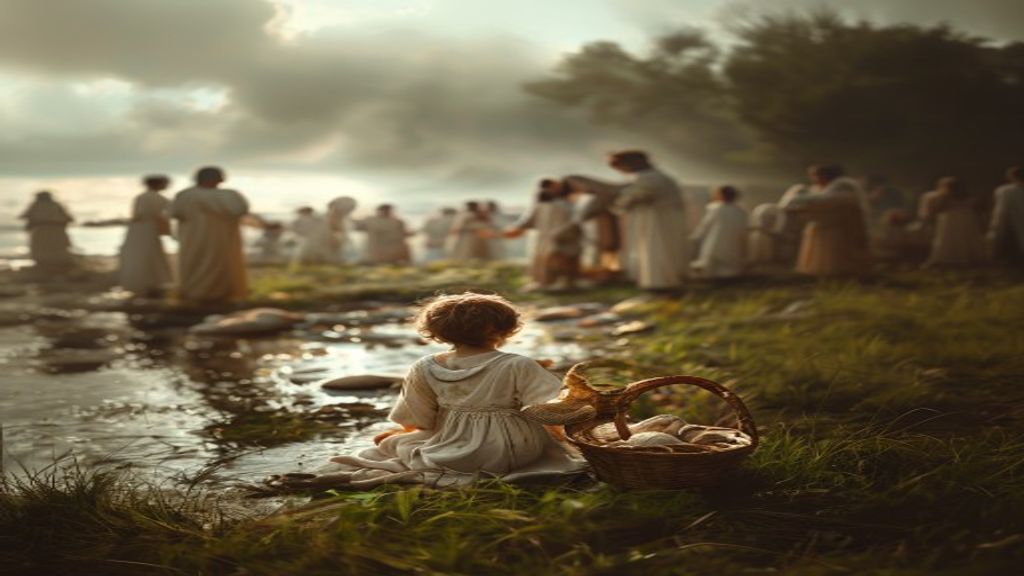
Imagine a child walking to the sea with a modest lunch, unaware that his humble gift will become the catalyst for a miracle that feeds thousands. That very scene is at the heart of the new picture book Jude and the Extraordinary, Spectacular, Miraculous Day, a creative retelling of the feeding of the 5,000. The story invites families to see how a single, seemingly insignificant offering can be transformed by the One who holds all creation. Read the source article to learn more about the book’s beautiful illustrations and its invitation to step into the Gospel.
Biblical Diagnosis: Our Need for Grace
Before we can appreciate the miracle, Scripture reminds us of the human condition that makes such grace necessary. From the moment sin entered the world, humanity has been marked by spiritual poverty and a longing that can never be satisfied by our own efforts.
“For all have sinned and fall short of the glory of God” (Romans 3:23, ESV).
Our brokenness is not merely moral failure; it is a deep‑rooted alienation from the Creator. The psalmist cries, “There is no one who does good, not even one” (Psalm 14:3, ESV), echoing the universal need for divine intervention. The child in Jude’s story, though innocent, still represents a world that is “dead in trespasses and sins” (Ephesians 2:1, ESV). Recognizing this diagnosis is the first step toward receiving the remedy that only Christ can provide.
Christ at the Center: The Miracle that Points to Him
The feeding of the 5,000 is recorded in all four Gospels, underscoring its theological weight. When Jesus took the five loaves and two fish, He did more than satisfy physical hunger; He revealed Himself as the Bread of Life, the source of eternal sustenance.
“Jesus said to them, ‘I am the bread of life; whoever comes to me shall not hunger, and whoever believes in me shall never thirst.’” (John 6:35, ESV).
That same miracle is echoed in John 6:51, where Christ declares, “the bread that I will give is my flesh, which I will give for the life of the world.” The child’s offering, though limited, becomes a conduit for the divine, illustrating how God can multiply our “not enough” for His glorious purposes. The miracle also points forward to the ultimate feast at the Lord’s Table, where believers partake of Christ’s body and blood for forgiveness and new life (1 Corinthians 11:23‑26, ESV).
Living It Out: Discipleship Steps for Families
How can the truth of this miracle shape the daily walk of a family or a children’s ministry? Below are practical ways to let the story of Jude’s day become a lived testimony of the Gospel.
1. Share a Simple Meal and Pray Over It
- Gather a modest snack—perhaps a piece of fruit or a few crackers—and invite each family member to place it on a shared plate.
- Ask the children to pray, echoing the child’s willingness to give, “Lord, use what I have for your purpose.”
- Observe how God blesses the moment, whether through a deeper conversation, a sense of peace, or a tangible need being met.
2. Teach the Bread of Life Narrative
- Read Matthew 14:13‑21 aloud, emphasizing Jesus’ words, “I am the bread of life.”
- Discuss with children how physical hunger points to spiritual hunger, and how only Christ can satisfy the latter.
- Encourage them to share the story with a friend, modeling evangelism through testimony.
3. Connect the Miracle to the Lord’s Supper
- When a church family prepares for communion, draw the parallel between the loaves and fish and the bread and wine of the table.
- Explain that just as the miracle fed thousands, Christ’s sacrifice feeds our souls eternally.
- Invite children to help set the elements, reinforcing the idea that even small hands can participate in God’s grand story.
4. Reflect on God’s Multiplying Power in Daily Life
- Keep a “miracle journal” where each family member records moments when God seemed to enlarge a small offering—time, talent, or treasure.
- Periodically review the entries, praising God for His faithfulness and reminding the household of His promise in Philippians 4:19: “my God will supply every need of yours according to his riches in glory” (ESV).
Conclusion: The Gospel Proclaimed
We live in a world that constantly tells us we must earn our worth, accumulate more, and secure our future by our own hands. The story of Jude’s ordinary day, transformed by an extraordinary miracle, shatters that illusion. It points us to the true source of abundance: the risen Christ, who, in His love, gave Himself as the ultimate “loaf and fish” for humanity.
All have sinned and fall short of God’s glory (Romans 3:23). Yet God, rich in mercy, sent His Son, Jesus, to die on the cross and rise again, offering forgiveness and new life to every who believe (John 3:16, ESV). By trusting in Him, we receive the grace that turns our “not enough” into more than enough—both now and for eternity.
May families, churches, and ministries take this truth to heart, sharing the simple offering of a child’s lunch and the profound offering of Christ’s body, that the world may see the Gospel in action and be drawn to the One who satisfies the deepest hunger of the human heart.