Regional Security Shift Reported
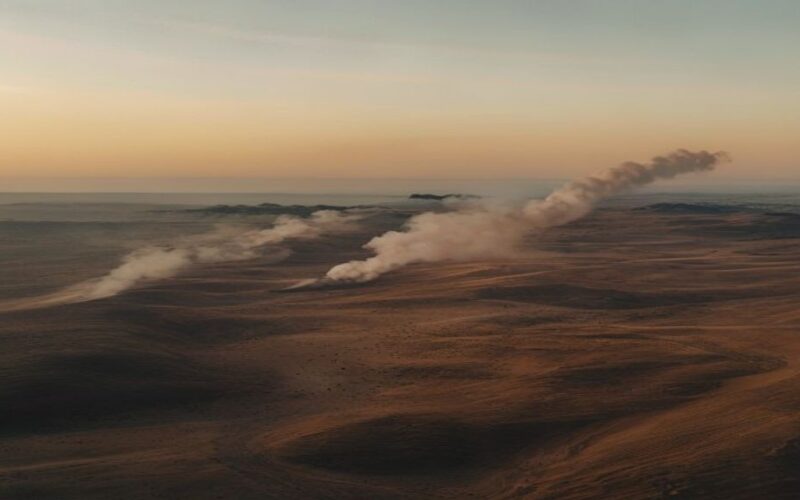
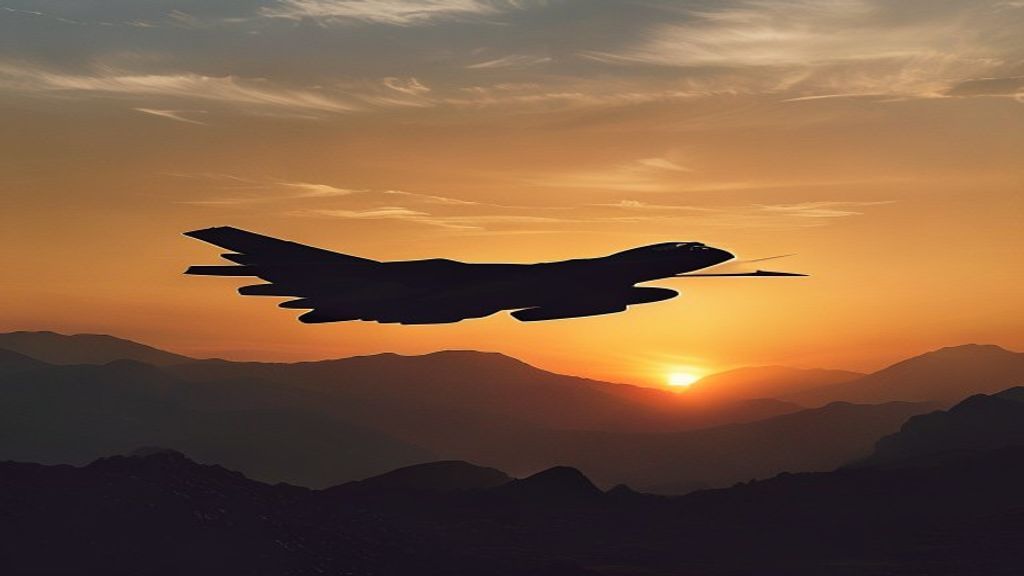
Recent defense reports have highlighted a significant development in the regional security landscape. According to sources, Hezbollah attempted to engage an Air Force fighter jet using a surface-to-air missile. Until this incident, the air force maintained complete air supremacy, operating with essentially no threats to the safety of fighter jets. This shift marks a notable change in the operational environment. Readers can review the original reporting at the Jerusalem Post.
The implication of such an attempt suggests that previous assumptions regarding total safety in the airspace may require reassessment. For military analysts, this represents a tactical evolution. For observers of biblical prophecy, it raises questions about stability in the region. It is crucial to report facts accurately without sensationalizing the event. The summary indicates an attempt was made, challenging the prior status of supremacy. Such incidents underscore the volatile nature of the region where alliances and threats shift rapidly.
Biblical Perspective on Conflict
For believers observing events in the Middle East, such developments invite reflection on sovereignty and protection. Scripture acknowledges the reality of conflict while affirming God’s ultimate authority over nations. Military strength, while significant, is not the final arbiter of safety. The Psalmist writes about the limitations of human power compared to divine oversight. This does not negate the need for vigilance but places it within a broader spiritual context.
Specific passages remind us that trust should not rest solely in technology or strategy.
Some trust in chariots and some in horses, but we trust in the name of the Lord our God.
(Psalm 20:7). Additionally, Psalm 33:16-17 notes that no king is saved by the size of his army. These verses encourage humility regarding military supremacy. They remind the faithful that security is ultimately granted by God, not manufactured by man.
Prophetic Context as Perspective
From a prophetic perspective, some believers connect regional instability to biblical themes regarding Israel and the nations. It is important to label this as perspective, not definitive fact. Scripture speaks of turmoil in the latter days, but specific events should not be used to predict dates. The focus remains on prayer for peace and the spread of the gospel. Zechariah 12:3 describes Jerusalem as a cup that causes reeling, suggesting ongoing tension. However, interpretation requires wisdom and caution against sensationalism.
Ultimately, Christians are called to pray for peace and justice. While news cycles highlight conflict, the hope of the believer remains anchored in eternal promises. We watch with discernment, avoiding fear while acknowledging the seriousness of geopolitical shifts. The situation reminds us of the fragility of human security and the need for divine reliance. Believers are encouraged to seek wisdom and pray for all people, including those in positions of authority and conflict. Prayer is a vital response to uncertainty.
Scriptural Foundation
Acts 3:19 – Repent therefore, and turn back, that your sins may be blotted out.
2 Corinthians 7:10 – For godly grief produces a repentance that leads to salvation without regret.
Practical Application
How can we apply this truth in our daily lives? Consider these steps:
- Reflect – Take time each morning to meditate on this truth.
- Journal – Write down insights and how God is speaking to you.
- Share – Discuss with a fellow believer or small group.
- Act – Put what you’ve learned into practice this week.
Reflection Questions
- What does this passage reveal about God’s character?
- How does this truth challenge your current thinking?
- What is one specific way you can live this out today?
- Who can you share this encouragement with?
A Prayer to Close
Heavenly Father, thank You for Your Word and the truth it contains. Help us to not just hear it, but to be doers of it. Give us strength to apply these principles in our daily lives, and may we grow closer to You through this study. In Jesus’ name, Amen.