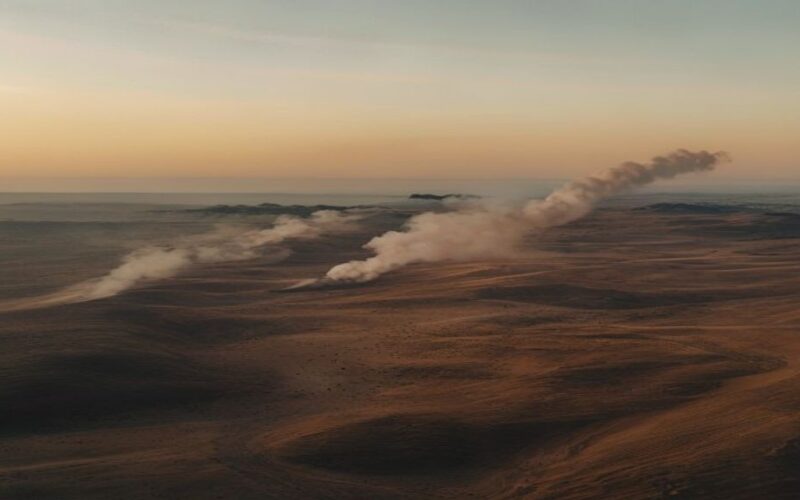
During a recent operation in southern Lebanon, Israeli Defense Forces (IDF) troops uncovered an anti‑tank launcher and subsequently struck a number of Hezbollah targets, the Jerusalem Post report confirms. The discovery came amid heightened military activity along the Israeli‑Lebanese border, where the IDF has been conducting a series of patrols and precision strikes aimed at curbing armed incursions.
Diplomatic Overtures Parallel the Field Action
At the same time, Israeli and Lebanese officials convened in Washington for direct talks intended to advance a potential agreement between the two nations. The diplomatic engagement, described as “direct” by participants, reflects a renewed willingness to address longstanding security concerns through dialogue rather than prolonged conflict.
Biblical Lens on War and Peace
Believers often turn to Scripture for wisdom when contemporary events echo ancient themes. Psalm 122:6 urges, “Pray for the peace of Jerusalem: May those who love you be well‑fared.”
“Pray for the peace of Jerusalem: May those who love you be well‑fared.” (Psalm 122:6)
While the verse speaks directly of Jerusalem, many Christians see it as encompassing the broader promise of peace for the people of Israel and its neighbors.
Isaiah 2:4 offers a prophetic vision of nations laying down weapons: “They shall beat their swords into plowshares…” This image resonates with the current hopes expressed in Washington, where negotiators seek to replace armed confrontation with diplomatic solutions. The discovery of the anti‑tank launcher underscores the tangible reality of weaponry that the prophecy envisions being repurposed.
Perspective: Connecting the Dots
Perspective: Some observers note that the convergence of military action and diplomatic talks mirrors the biblical pattern of conflict followed by covenant renewal. Jeremiah 31:31 speaks of a “new covenant” that God will make with His people, suggesting a future where mutual recognition replaces hostility. While this interpretation does not predict specific outcomes, it offers a framework for believers to pray for a transformation of relationships in the region.
Practical Implications for the Faith Community
For churches and individuals following these developments, the emphasis is on prayerful engagement. Matthew 5:9 reminds believers, “Blessed are the peacemakers, for they shall be called children of God.”
“Blessed are the peacemakers, for they shall be called children of God.” (Matt 5:9)
Praying for the negotiators in Washington, for the soldiers on the ground, and for civilians on both sides aligns with the biblical call to intercede for peace.
Furthermore, the situation highlights the importance of discerning truth in media reports. The IDF’s operational update, as reported by the Jerusalem Post, provides a factual anchor for prayer and discussion, helping believers avoid speculation while staying informed.
Looking Ahead
While the immediate tactical success of locating the anti‑tank launcher demonstrates a concrete security measure, the broader hope rests on whether diplomatic dialogue can produce sustainable agreements. The biblical narrative encourages vigilance, humility, and hope—qualities that can guide Christians as they watch, pray, and support efforts toward lasting peace in the Holy Land.