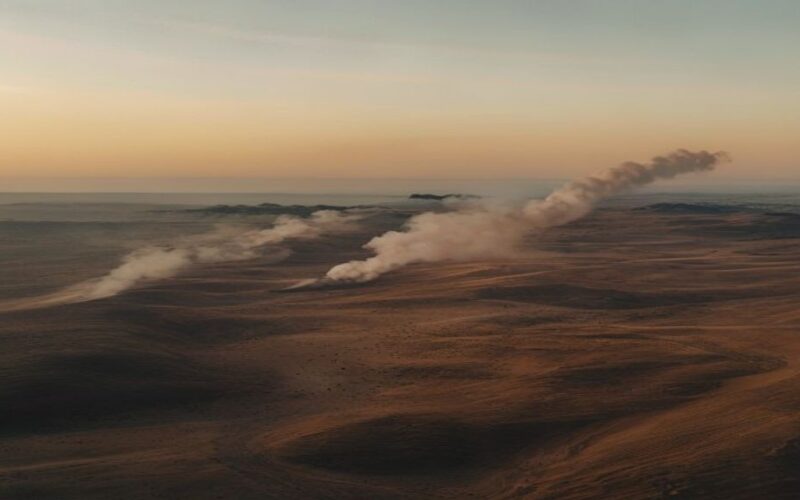
Recent diplomatic exchanges in the Middle East have drawn significant attention from international observers. According to reports, Iranian officials are maintaining that their latest proposal remains reasonable despite rejection from United States leadership. Esmaeil Baghaei, a spokesperson for Iran’s Foreign Ministry, stated publicly regarding the situation. He noted, “Our demand is legitimate: we are calling for an end to the war.” This statement comes amidst ongoing tensions involving regional stability and complex international relations. Readers can review the full reporting at The Jerusalem Post.
For believers observing these geopolitical shifts, Scripture provides a foundational lens through which to view conflicts between nations. The Bible does not ignore the reality of war but offers wisdom on pursuing peace without compromising truth. The Psalmist writes in Psalm 34:14, “Turn from evil and do good; seek peace and pursue it.” This command is active, requiring effort and discernment rather than passive hope alone.
However, biblical peace is not merely the absence of conflict but the presence of justice. In Jeremiah 6:14, there is a warning against those who say, “Peace, peace,” when there is no peace. This verse reminds Christians to evaluate diplomatic language carefully. When nations speak of ending war, believers are called to pray for genuine resolution that honors human dignity and divine law.
From a prophetic perspective, many Christians watch developments involving Israel and neighboring nations with particular interest. Biblical prophecy speaks extensively about nations gathering against God’s people and the ultimate establishment of Christ’s kingdom. While specific events should not be hastily labeled as fulfillment, the recurring theme of conflict in the region aligns with the broader biblical narrative of a world in need of redemption. It is our perspective that these moments invite prayer rather than speculation.
We must avoid sensationalism. Claiming any single news event proves the end times violates the wisdom of Matthew 24:36, where Jesus states that no one knows the day or hour. Instead, these times call for spiritual readiness. The Apostle Paul encourages believers in 1 Timothy 2:1-2 to make supplications and prayers for all people, including kings and those in high authority, so that we may live peaceful lives.
Ultimately, the church’s role is not to dictate foreign policy but to be a light in darkness. We uphold the value of life and the necessity of truth. As diplomatic negotiations continue, let us commit to intercession. May justice roll down like waters, and may the nations know the God who reigns over history.
Scriptural Foundation
Acts 3:19 – Repent therefore, and turn back, that your sins may be blotted out.
2 Corinthians 7:10 – For godly grief produces a repentance that leads to salvation without regret.
Practical Application
How can we apply this truth in our daily lives? Consider these steps:
- Reflect – Take time each morning to meditate on this truth.
- Journal – Write down insights and how God is speaking to you.
- Share – Discuss with a fellow believer or small group.
- Act – Put what you’ve learned into practice this week.
Reflection Questions
- What does this passage reveal about God’s character?
- How does this truth challenge your current thinking?
- What is one specific way you can live this out today?
- Who can you share this encouragement with?
A Prayer to Close
Heavenly Father, thank You for Your Word and the truth it contains. Help us to not just hear it, but to be doers of it. Give us strength to apply these principles in our daily lives, and may we grow closer to You through this study. In Jesus’ name, Amen.