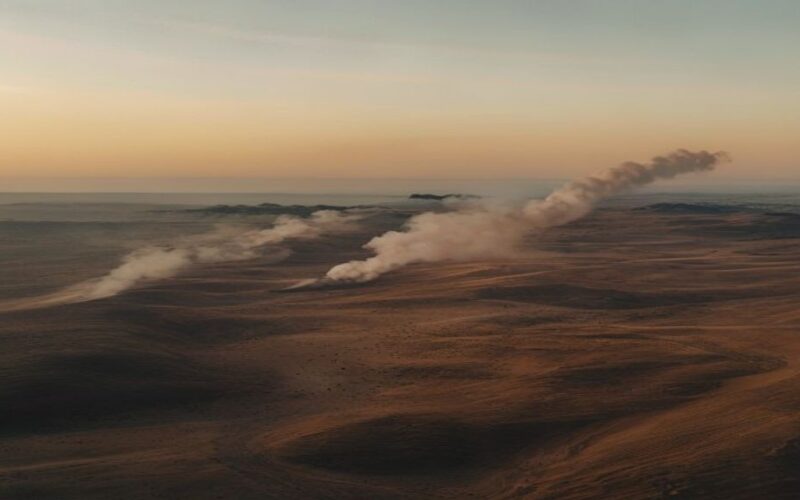
Geopolitical Tensions Rise in Iraq
Recent reporting indicates significant geopolitical tension surrounding the formation of Iraq’s next government. According to a Jerusalem Post report, the Prime Minister-designate, Ali al-Zaidi, finds himself in a precarious position regarding international support and internal security. The United States has offered endorsement contingent upon a specific condition: the exclusion of Iran-backed militias from his potential cabinet. This demand highlights the complex web of alliances in the region and the pressure placed on emerging leadership.
However, compliance carries severe risks for the stability of the nation. The summary notes that such a move could prompt those militias to fight back, potentially destabilizing the country further through violence. This situation underscores the fragility of peace in the Middle East and the difficult choices facing leaders who must balance foreign relations with domestic safety. For observers, this is more than political news; it is a reflection of the struggle for authority in a volatile region.
Biblical Perspective on Governance and Power
For believers observing these events, Scripture offers a lens through which to view political turmoil without succumbing to fear. The Psalms frequently describe nations plotting in vain against established order.
Why do the nations rage and the peoples plot in vain? The kings of the earth set themselves, and the rulers take counsel together, against the Lord and against his Anointed
(Psalm 2:1-2, ESV). This passage does not predict specific headlines but reveals the spiritual reality behind earthly power struggles. Leadership changes often involve unseen spiritual battles that extend beyond human negotiation.
Proverbs 21:1 reminds us that
The king’s heart is a stream of water in the hand of the Lord; he turns it wherever he will
. While humans negotiate terms and issue ultimatums, God remains sovereign over the hearts of leaders. This truth provides comfort when news cycles seem chaotic. We are called to understand that while nations maneuver for advantage, divine providence oversees the boundaries of peoples and the rise and fall of authorities.
Prophecy and Prayerful Perspective
Regarding prophetic interpretation, caution is necessary when connecting current events to biblical eschatology. Some believers may connect regional instability to broader biblical themes regarding the nations surrounding Israel and the quest for dominance in the Middle East. However, this should be labeled as perspective, not definitive fact. We must avoid sensationalism or claiming divine authority for our interpretations of daily news. The Bible warns against setting dates or claiming certainty where God has not spoken explicitly.
Instead, these events serve as a urgent call to prayer. Jesus warned of wars and rumors of wars, instructing His followers not to be alarmed but to remain steadfast in faith. The goal is not fear but faithfulness in intercession. As Christians, we are called to pray for all who are in high positions, that we may live peaceful and quiet lives. The situation in Iraq affects real people seeking safety, justice, and the chance to thrive. Our response should be grounded in love and intercession rather than speculation. We trust in God’s ultimate plan while engaging wisely with current events, knowing that the Gospel advances even amidst political shifting.
Scriptural Foundation
Acts 3:19 – Repent therefore, and turn back, that your sins may be blotted out.
2 Corinthians 7:10 – For godly grief produces a repentance that leads to salvation without regret.
Practical Application
How can we apply this truth in our daily lives? Consider these steps:
- Reflect – Take time each morning to meditate on this truth.
- Journal – Write down insights and how God is speaking to you.
- Share – Discuss with a fellow believer or small group.
- Act – Put what you’ve learned into practice this week.
Reflection Questions
- What does this passage reveal about God’s character?
- How does this truth challenge your current thinking?
- What is one specific way you can live this out today?
- Who can you share this encouragement with?
A Prayer to Close
Heavenly Father, thank You for Your Word and the truth it contains. Help us to not just hear it, but to be doers of it. Give us strength to apply these principles in our daily lives, and may we grow closer to You through this study. In Jesus’ name, Amen.