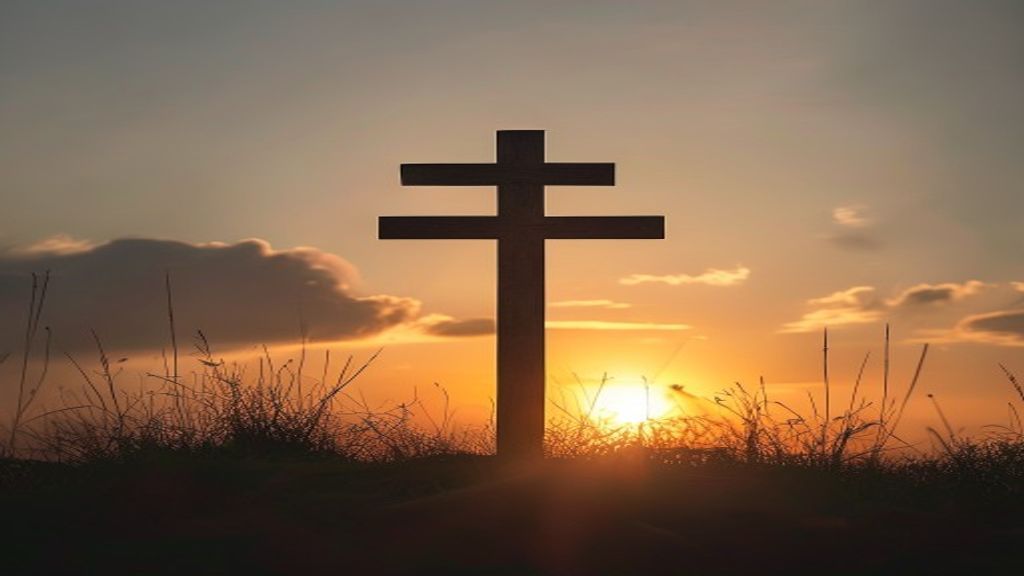
When we think of repentance, the first image that often comes to mind is one of sorrow—recognizing our brokenness before a holy God. Yet the biblical narrative also paints repentance as a cause for deep, lasting joy. In Luke’s parable of the prodigal son we see this paradox beautifully displayed. Read the source article for the original reflection, and join us as we explore why repentance points us to the heart of the Gospel.
The Two Faces of Repentance
Repentance involves two intertwined emotions:
- Grief over the sin that has separated us from God, the “manure of sin” that the prodigal son left behind (Luke 15:11‑13).
- Joy that comes when the Father runs to embrace us, restoring what was lost (Luke 15:20‑24).
Paul captures this tension in 2 Corinthians 7:10: “Godly sorrow produces repentance leading to salvation, but worldly sorrow produces death.” The sorrow that leads to repentance is not aimless despair; it is a God‑gift that opens the way to the joy of forgiveness.
The Father’s Beauty Revealed in Repentance
Chris Brauns, in his article, highlights the “beauty of the father” as the reason repentance is a cause for celebration. The father’s beauty is revealed in three ways that echo the Gospel:
- His Generous Gift – The father gave his son life and inheritance, just as the Father of Heaven gave us “every spiritual blessing in Christ” (Ephesians 1:3). This mirrors the ultimate gift of Jesus, who “gave himself up for us” (Ephesians 5:2).
- His Patient Waiting – The father waited, hoping his wayward son would return. God’s patience with humanity is seen in 2 Peter 3:9: “He is patient toward you, not wishing that any should perish.”
- His Sacrificial Celebration – The father absorbs the cost of the lost inheritance, just as Christ absorbed the penalty of sin on the cross (1 Peter 2:24). The ensuing celebration is the same as the “great rejoicing” that follows every true conversion (Psalm 126:3).
The Gospel at Work in the Parable
Understanding the parable as a picture of the Gospel helps us see why repentance leads to joy:
- Human Sin: The younger son’s reckless living represents humanity’s rebellion (Romans 3:23).
- Christ’s Substitutionary Death: The father’s willingness to lose the estate points to the Father’s willingness to give His Son as a substitute (John 3:16).
- Repentance and Return: The son’s decision to “return to my father” mirrors our call to turn from sin (Acts 3:19).
- Graceful Reception: The father’s running embrace reflects the Gospel truth that salvation is received by grace, not by our merit (Ephesians 2:8‑9).
- Celebration: The feast and “fattened calf” symbolize the heavenly feast promised to all who are in Christ (Revelation 19:9).
“But while he was still a long way off, his father saw him and was filled with compassion, and ran and embraced him and kissed him.” (Luke 15:20, ESV)
Why Joy Matters for the Christian Life
Joy is not a fleeting emotion; it is a fruit of the Spirit (Galatians 5:22‑23) that sustains believers through trials. When repentance leads to joy, it does three vital things:
- Affirms the Reality of God’s Love – Experiencing the Father’s joy confirms that He is not a distant judge but a loving Father who delights in our restored relationship.
- Motivates Holiness – Joy fuels a desire to live in obedience, as Paul writes, “the joy of the Lord is your strength” (Nehemiah 8:10).
- Witnesses to the World – A joyful believer becomes a living testimony that the Gospel truly transforms lives, answering the deepest human longing for purpose and belonging.
Living Out Joyful Repentance Today
How can we experience this biblical joy in our own lives?
- Confess and Turn – Regularly examine your heart (1 John 1:9) and turn away from sin, trusting that God’s forgiveness is immediate.
- Celebrate God’s Grace – Mark each moment of repentance with prayer of thanksgiving, recalling the Father’s celebration in Luke 15.
- Share the Story – Join a discipleship group (as suggested in related articles) to encourage one another, remembering that “the joy of the Lord is our strength.”
When we understand repentance as a pathway to the Father’s joy, we find that the Gospel is not a list of duties but the invitation to a life filled with divine celebration. The paradox of grief and joy is resolved in Christ, who took our sin on the cross, rose victorious, and now invites us to “rejoice and be glad” (Psalm 118:24) in the new covenant relationship He offers.
The Eternal Celebration
Finally, the parable points forward to eternity. The younger son’s return is only the beginning of a lifelong fellowship with the Father. In the same way, every believer who repents and trusts in Christ enters into an everlasting celebration—an unending communion with the Holy Trinity (Revelation 7:9‑10). This hope fuels our present joy and gives us courage to proclaim the Gospel to a world longing for true, lasting peace.
May you experience the beautiful tension of repentance: a sincere sorrow for sin that opens the door to the Father’s overwhelming joy, a joy that is found only in the finished work of Jesus Christ.
Scriptural Foundation
Acts 3:19 – Repent therefore, and turn back, that your sins may be blotted out.
2 Corinthians 7:10 – For godly grief produces a repentance that leads to salvation without regret.
Practical Application
How can we apply this truth in our daily lives? Consider these steps:
- Reflect – Take time each morning to meditate on this truth.
- Journal – Write down insights and how God is speaking to you.
- Share – Discuss with a fellow believer or small group.
- Act – Put what you’ve learned into practice this week.
Reflection Questions
- What does this passage reveal about God’s character?
- How does this truth challenge your current thinking?
- What is one specific way you can live this out today?
- Who can you share this encouragement with?
A Prayer to Close
Heavenly Father, thank You for Your Word and the truth it contains. Help us to not just hear it, but to be doers of it. Give us strength to apply these principles in our daily lives, and may we grow closer to You through this study. In Jesus’ name, Amen.