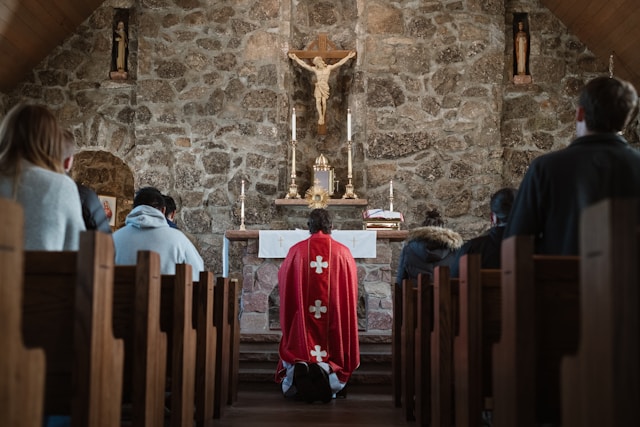
Why Faith Matters More Than Ever Today
The world moves faster than ever before. We wake up to notifications, scroll through endless feeds, and race through packed schedules. In this constant rush, many people feel empty inside despite having everything they thought they wanted.
Faith offers something different. It provides anchor points when life feels chaotic. It gives meaning when things seem pointless. It creates community when loneliness creeps in.
But here’s the challenge: keeping your faith strong in a world that often pulls you in opposite directions isn’t easy. Between work demands, social pressures, and digital distractions, finding time for spiritual growth can feel impossible.
This article explores real, practical ways to build and maintain a faith-filled life without disconnecting from the modern world around you.
The Biggest Challenges Believers Face Today
Time Pressure and Busy Schedules
Most people struggle to find even five minutes of quiet in their day. Between jobs, school, family responsibilities, and social commitments, spiritual practices often get pushed to the bottom of the to-do list.
The average person checks their phone 96 times daily. That’s once every ten minutes during waking hours. This constant interruption makes deep prayer or reflection incredibly difficult.
Information Overload
We consume more information in a single day than people a century ago encountered in their entire lives. Social media, news alerts, podcasts, and videos compete for our attention every second.
This flood of information doesn’t just distract us. It shapes how we think and what we believe. When you’re exposed to thousands of different viewpoints daily, holding onto core faith values requires intentional effort.
Cultural Pressure
Modern culture often conflicts with traditional faith values. Whether it’s workplace expectations, entertainment choices, or social norms, believers constantly navigate situations where their faith puts them at odds with popular opinion.
The pressure to conform, to avoid seeming “too religious,” or to keep beliefs private can slowly erode the strength of your faith.
Building Strong Daily Spiritual Habits
Start Your Morning With Purpose
The first hour of your day sets the tone for everything that follows. Instead of immediately grabbing your phone, try creating a simple morning routine that centers your faith.
This doesn’t require hours. Even ten minutes makes a difference. You might read a short scripture passage, say a prayer of gratitude, or sit quietly and reflect on your spiritual goals for the day.
Many successful believers keep their spiritual materials right next to their bed. When the alarm goes off, their Bible, prayer book, or devotional is the first thing they see instead of their phone screen.
Create Prayer Pockets Throughout Your Day
You don’t need long, uninterrupted stretches to maintain a prayer life. Small moments throughout the day add up quickly.
Pray while commuting. Use your lunch break for brief reflection. Say a quick prayer before important meetings or difficult conversations. These “prayer pockets” keep you connected to your faith even during the busiest days.
Some people set phone reminders to pause and pray at specific times. Others use daily activities as prayer triggers. Every time they wash their hands, they say a brief prayer. Every time they open their laptop, they ask for guidance.
End Your Day With Reflection
Before sleep, take a few minutes to review your day through a spiritual lens. Where did you see your faith in action? Where did you fall short? What are you grateful for?
This practice, sometimes called an examination of conscience, helps you learn from each day and grow spiritually over time.
The Role of Community in Modern Faith
Why You Can’t Do This Alone
Faith was never meant to be a solo activity. Every major religious tradition emphasizes community for good reason. Other believers provide encouragement, accountability, wisdom, and support that you simply can’t generate on your own.
When your faith feels weak, the community carries you. When you’re strong, you help carry others. This mutual support creates something more powerful than individual belief.
Finding Your Spiritual Family
Not every religious community will be the right fit. Look for groups where you feel welcomed, where people live out their faith authentically, and where you can grow spiritually.
This might be a traditional church, synagogue, mosque, or temple. It could be a small group that meets in homes. Some people find spiritual community through service organizations, study groups, or online faith communities.
The key is finding people who share your core beliefs and who actively help each other grow.
Participating Beyond Sunday Services
Weekly services matter, but faith communities offer much more. Volunteer opportunities, study groups, social events, and service projects all strengthen your connection to both faith and community.
When you actively participate rather than just attending, you build deeper relationships. These relationships become lifelines during difficult times and sources of joy during good times.
Balancing Technology and Faith
Using Digital Tools Wisely
Technology isn’t the enemy of faith. Used properly, it can strengthen your spiritual life significantly.
Bible apps put scripture in your pocket everywhere you go. Prayer apps send daily reminders and inspiration. Podcasts deliver sermons and teachings during commutes. Online communities connect you with believers worldwide.
The problem isn’t technology itself. The problem is letting technology control you instead of using it intentionally.
Setting Healthy Boundaries
Create tech-free zones in your life. Many people establish phone-free times during meals, before bed, or during spiritual practices. Some designate one day per week as a partial digital sabbath.
These boundaries protect space for deeper connection with your faith, your family, and yourself.
Social Media and Spiritual Health
Social media can inspire or drain your faith depending on how you use it. Be selective about who you follow. Unfollow accounts that leave you feeling empty, angry, or spiritually depleted.
Follow people who challenge you to grow, inspire your faith, and remind you of what matters most. Use social media as a tool for encouragement rather than comparison.
Practical Ways to Live Your Values Daily
Making Faith-Based Decisions at Work
Your workplace may be where your faith gets tested most often. Ethical dilemmas, pressure to compromise values, or simply the challenge of treating difficult people with kindness all require faith in action.
Before important decisions, pause and ask yourself what your faith teaches about this situation. Seek guidance through prayer. Sometimes the faithful choice isn’t the easiest or most profitable option, but it’s the one that lets you sleep peacefully at night.
Serving Others as Spiritual Practice
Service transforms faith from abstract belief into concrete action. When you help others, you live out the core teachings of virtually every faith tradition.
Start small. Hold a door. Let someone merge in traffic. Listen fully when someone needs to talk. These tiny acts of kindness are spiritual practices that strengthen your faith muscles.
As you grow, look for bigger opportunities. Volunteer at a shelter. Mentor someone struggling. Support causes that align with your values. Service connects you to something larger than yourself.
Choosing Entertainment and Media Mindfully
What you consume shapes who you become. This doesn’t mean avoiding all secular entertainment, but it does mean being thoughtful about what you allow into your mind and heart.
Ask yourself whether your entertainment choices align with your values. Do they strengthen or weaken your faith? Do they inspire you to be better or encourage your worst impulses?
Balance is key. You don’t need to only consume religious content, but you should ensure that what you watch, read, and listen to doesn’t work against your spiritual growth.
Faith and Mental Health: A Modern Perspective
When Faith Supports Wellness
Strong faith correlates with better mental health outcomes in numerous studies. Believers often report:
- Lower rates of depression and anxiety
- Better stress management
- Stronger sense of purpose
- More resilience during hardship
- Greater life satisfaction
Faith provides meaning, community, hope, and practices (like prayer and meditation) that directly benefit mental health.
When to Seek Professional Help
Faith is powerful, but it’s not a substitute for professional mental health care when needed. If you’re struggling with depression, anxiety, trauma, or other mental health challenges, seeking help from a counselor or therapist is both faithful and wise.
Many faith traditions now embrace mental health care as compatible with spiritual practice. Taking care of your mental health allows you to engage more fully with your faith.
Integrating Faith and Therapy
Look for mental health professionals who respect your faith or who share your beliefs. Many therapists now offer faith-integrated approaches that honor your spiritual values while providing evidence-based treatment.
Strengthen your prayer life with this guide:
https://ignite.org.es/how-daily-prayer-changes-your-relationship-with-god/
Teaching Faith to the Next Generation
Modeling Authentic Belief
Children and young people learn more from what they see than what they hear. If you want the next generation to value faith, they need to see it lived authentically in your daily life.
This means being honest about struggles and doubts while also demonstrating how faith provides answers and strength. Perfect performance doesn’t inspire young people. Real, imperfect faith does.
Making Faith Relevant and Engaging
Faith education can’t rely only on lectures and memorization. Young people need to experience faith as relevant to their actual lives.
Connect faith teachings to real situations they face. Involve them in service projects. Give them opportunities to ask hard questions without judgment. Help them see how faith addresses their deepest needs and biggest concerns.
Creating Space for Questions
Doubt and questioning aren’t the opposite of faith. They’re often steps toward deeper, more mature faith. Create environments where young people can safely explore their questions.
When someone asks a difficult question about faith, resist the urge to shut it down or give a quick, shallow answer. Sit with the question. Explore it together. Show that faith can handle honest inquiry.
Comparison of Faith Practices: Traditional vs. Modern Approaches
| Aspect | Traditional Approach | Modern Adaptation | Benefits |
|---|---|---|---|
| Prayer Time | Set hours, specific locations | Flexible timing, multiple locations | Fits busy schedules while maintaining consistency |
| Scripture Study | Physical books, group settings | Apps, podcasts, online groups | Accessible anytime, connects global communities |
| Community Gathering | Weekly in-person services | Hybrid in-person and online options | Reaches people with mobility or schedule limitations |
| Faith Sharing | Door-to-door, local outreach | Social media, digital content | Broader reach, meets people where they are |
| Spiritual Direction | In-person meetings with advisors | Video calls, email, messaging | Connects people with mentors regardless of location |
Common Obstacles and How to Overcome Them
“I Don’t Have Time”
Time scarcity is real, but it’s also about priorities. Most people find time for what truly matters to them. Start incredibly small. Even two minutes of prayer daily creates momentum.
Track where your time actually goes for a week. Most people discover they have more discretionary time than they realized. Those minutes scrolling social media could become minutes of spiritual practice.
“I Feel Like a Hypocrite”
Everyone struggles with the gap between beliefs and actions. That’s part of being human. The solution isn’t to give up on faith but to keep growing.
Acknowledge your struggles honestly. Seek forgiveness when you fall short. Get back up and try again. Progress matters more than perfection.
“My Faith Feels Dry”
Spiritual dry spells happen to everyone. They don’t mean you’re doing something wrong or that God has abandoned you.
During these times, maintain your practices even when they don’t feel meaningful. Often, faith is strongest when it persists despite feelings. Also, try varying your spiritual practices. If prayer feels dry, try service. If reading feels empty, try music or nature.
“I Face Criticism for My Beliefs”
Standing firm in faith when others criticize or mock can be incredibly difficult. Remember that you’re not alone. Believers throughout history have faced opposition.
Connect with your faith community for support. Focus on living your values so well that your life speaks louder than critics’ words. Choose your battles wisely. Not every criticism requires a response.
Measuring Spiritual Growth in Modern Terms
Signs You’re Growing in Faith
Spiritual growth isn’t always obvious, but you can look for certain signs:
- You handle stress and challenges with more peace
- Relationships improve as you become more patient and loving
- You feel more purpose and direction in life
- Prayer and spiritual practices feel less like obligation and more like connection
- You’re quicker to forgive and slower to anger
- You notice yourself naturally considering your faith perspective in daily decisions
Setting Spiritual Goals
Just as you might set goals for fitness or career, you can set goals for spiritual growth. Make them specific and achievable.
Instead of “pray more,” try “pray for five minutes every morning before checking my phone.” Instead of “read the Bible more,” try “read one chapter during lunch three times per week.”
Track your progress. Celebrate small wins. Adjust goals as needed.
Frequently Asked Questions
How can I maintain my faith when I’m extremely busy with work and family?
Start with just five minutes daily. Quality matters more than quantity. Use small moments throughout your day for brief prayers or reflections. Make faith practices part of existing routines rather than adding separate time blocks.
Is it okay to use apps and technology for spiritual practices?
Absolutely. Technology is a tool that can support or hinder faith depending on how you use it. Bible apps, prayer reminders, and faith-based podcasts can all strengthen your spiritual life when used intentionally.
What should I do when my faith feels weak or I have doubts?
Doubts are normal and can actually lead to stronger faith. Talk honestly with trusted spiritual mentors. Keep maintaining your practices even when motivation is low. Read about how others have worked through similar struggles. Remember that feelings don’t define the reality of faith.
How do I balance respecting others’ beliefs while staying true to my own?
You can hold strong personal beliefs while treating others with genuine respect and kindness. Listen to understand different perspectives without compromising your values. Focus on building relationships rather than winning arguments.
Can I have a strong faith life without attending religious services regularly?
While personal faith is important, community participation significantly strengthens belief and provides essential support, accountability, and growth opportunities that individual practice cannot fully replace. Even small group participation helps.
How can I make my faith relevant to my children or teenagers?
Model authentic faith in daily life. Connect spiritual teachings to real situations they face. Create space for their questions without judgment. Involve them in service and community activities. Show rather than just tell.
Moving Forward With Confidence
Living a faith-filled life in the modern world isn’t about escaping to a mountaintop or abandoning contemporary life. It’s about bringing your deepest values into every corner of your daily existence.
You’ll face challenges. Technology will distract you. Schedules will overwhelm you. Culture will pressure you. Doubts will surface. These obstacles don’t mean you’re failing. They’re simply the landscape where modern faith grows.
Start where you are. Use the tools available to you. Connect with others on the same journey. Be patient with yourself as you grow. Celebrate small victories. Learn from setbacks.
Your faith doesn’t need to look exactly like anyone else’s. What matters is that it’s genuine, growing, and actively shaping how you live each day.
The modern world needs people who live with purpose, treat others with genuine kindness, and maintain hope despite challenges. Your faith-filled life contributes something irreplaceable to the world around you.
Take the first step today. Choose one practice from this article and commit to it for the next week. Build from there. Over time, these small choices create a life deeply rooted in faith, regardless of how fast the world spins around you.
The journey of faith never truly ends. There’s always room to grow deeper, love better, and live more fully aligned with your beliefs. Embrace that journey with both humility and confidence, knowing that each step forward matters.