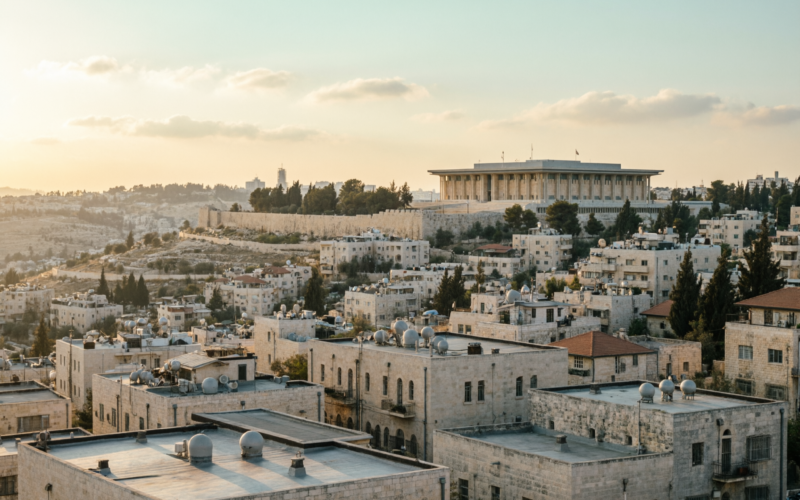
According to a recent analysis from The Jerusalem Post, Israeli Prime Minister Benjamin Netanyahu perceives a significant shift in American support under the Trump administration regarding Iran. Historically, Israel has largely stood alone on the front line against Iranian aggression, occasionally securing U.S. and European cooperation—but primarily limited to nuclear concerns.
The analysis suggests that Netanyahu recognizes Trump as “all in” on confronting Iran, representing a potential departure from previous administrations where Israel’s security concerns received more measured support. This shift raises important questions about international alliances, regional stability, and the role of nations in Middle Eastern affairs.
A Biblical Perspective on Nations and Alliances
Scripture consistently addresses the relationship between nations, power, and divine sovereignty. The prophet Daniel witnessed empires rise and fall, declaring that God “changes times and seasons; he deposes kings and raises up others” (Daniel 2:21). Believers understand that earthly governments operate under God’s ultimate authority, even when leaders themselves may not acknowledge Him.
The psalmist warns against placing ultimate trust in human alliances: “Do not put your trust in princes, in human beings, who cannot save” (Psalm 146:3). This doesn’t negate the importance of wise diplomacy or national defense, but reminds believers that security ultimately rests in God’s hands, not political arrangements.
Israel in Biblical Prophecy: Thoughtful Perspective
Many believers observe that Scripture speaks extensively about Israel’s role in redemptive history and end-times events. Passages like Zechariah 12:3 describe Jerusalem as “an immovable rock for all the nations” and predict that “all the nations of the earth are gathered against her.” From a biblical worldview perspective, ongoing tensions involving Israel may reflect broader spiritual realities described in prophetic literature.
However, wisdom requires humility. We cannot claim to know precise timelines or assert that specific political developments definitively fulfill prophecy. What we can do is observe current events through the lens of Scripture, recognizing patterns while avoiding sensationalism.
The Call to Prayer and Discernment
Paul instructs believers to pray “for kings and all those in authority, that we may live peaceful and quiet lives in all godliness and holiness” (1 Timothy 2:2). This includes praying for leaders in Israel, the United States, Iran, and all nations—that wisdom would prevail and that the gospel would advance even amid geopolitical tension.
As we watch developments in the Middle East, our primary concern should be the spiritual condition of all peoples. God “wants all people to be saved and to come to a knowledge of the truth” (1 Timothy 2:4)—Israelis, Iranians, Americans, and every nation. Political analysis has its place, but the gospel remains our ultimate hope and message.