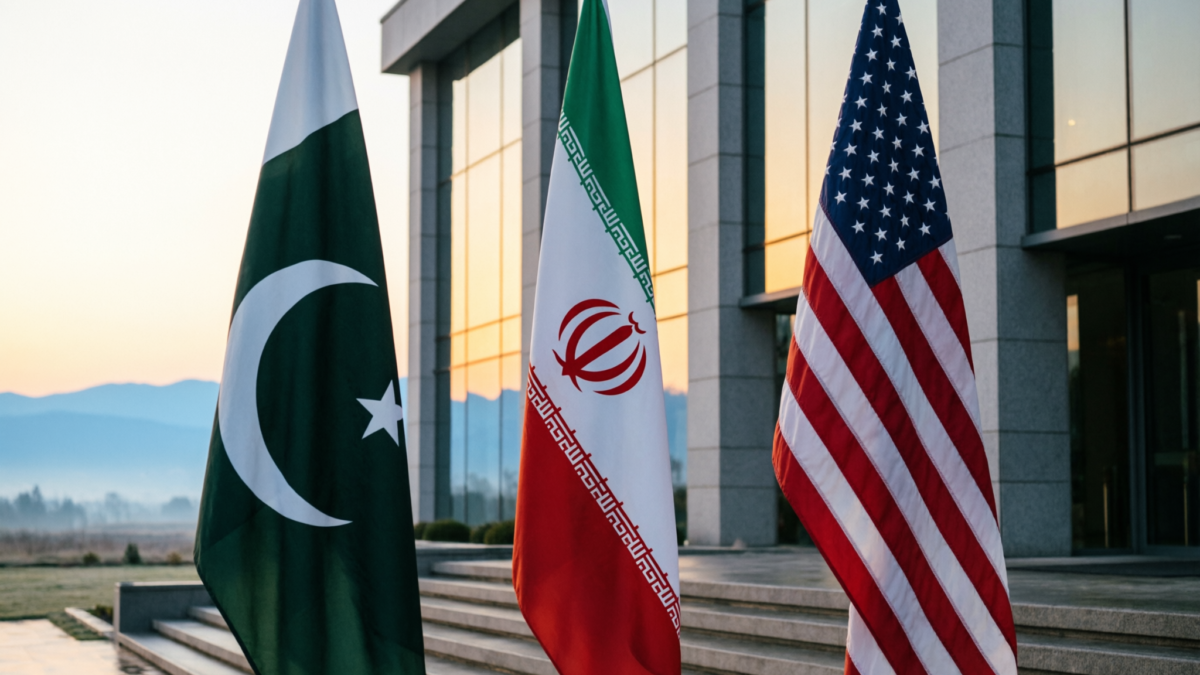
On March 28, Pakistan’s foreign ministry announced that a recent discussion with Iran marks “a meaningful step toward peace and will strengthen our collective efforts in that direction.” The statement comes as hostilities between Iran and the United States have entered their second month, prompting regional actors to seek diplomatic avenues to prevent further escalation.
Pakistan’s role is not new; Islamabad has long positioned itself as a bridge between rival powers in South‑Asia and the Middle East. By offering to host back‑channel talks and proposing confidence‑building measures, the Pakistani government hopes to create a framework where both Tehran and Washington can address security concerns without resorting to force.
Biblical Insight on Nations Seeking Peace
The biblical narrative repeatedly calls nations to pursue peace. Isaiah 2:4 proclaims, “They will beat their swords into plowshares and their spears into pruning‑hooks; nation will not lift sword against nation,
nor will they learn war any more.
Similarly, Psalm 122:6 urges believers to “Pray for the peace of Jerusalem: may those who love you be secure.” While the verse mentions Jerusalem, the principle extends to any nation longing for stability.
Perspective on Prophetic Themes
Some Christians view the current diplomatic push as part of a broader biblical worldview where God’s desire for justice and reconciliation influences geopolitical movements. From this perspective, the involvement of a Muslim‑majority nation like Pakistan aligns with the scriptural call for all peoples to be “peace‑makers” (Matthew 5:9). This interpretation does not claim certainty about end‑times timelines; rather, it reflects a thoughtful lens through which believers assess contemporary events.
- Matthew 5:9 – “Blessed are the peacemakers, for they will be called children of God.”
- Romans 12:18 – “If possible, so far as it depends on you, live peaceably with all.”
In practice, these verses encourage Christians to support diplomatic initiatives, prayerfully ask for wisdom for leaders, and promote reconciliation in their own communities.
What the Path Forward May Involve
Pakistan has outlined several steps to keep dialogue open: establishing a joint monitoring committee, arranging informal talks in neutral venues, and facilitating humanitarian corridors for civilians caught in the crossfire. While the outcomes remain uncertain, the emphasis on dialogue echoes the biblical principle that “the wisdom of the prudent is to discern” (Proverbs 14:8).
For readers seeking the original report, see the full article at Jerusalem Post. Continued prayer and informed engagement are invited as the international community watches these diplomatic efforts develop.