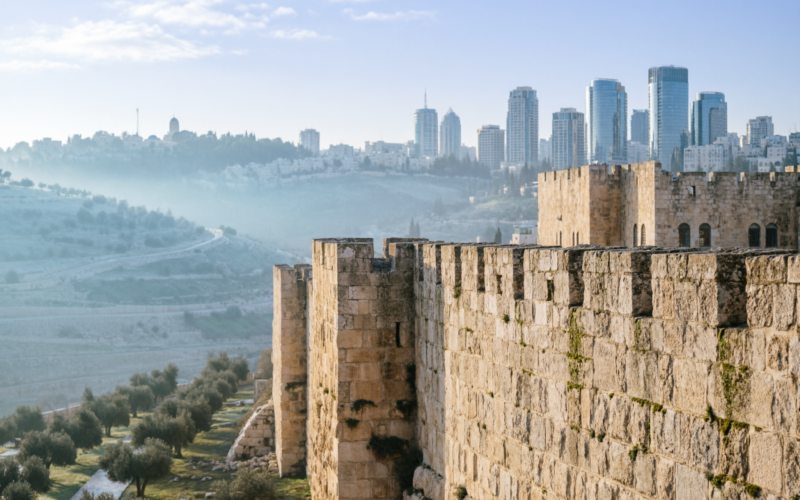
Historical backdrop of the conflict
The Jerusalem Post review of The Road to October 7 follows a recent interview with the book’s author, published earlier this month in the Magazine. The work traces a long line of grievances, from the early Islamic conquests to the modern era of nation‑state politics, showing how cultural memory and recurring cycles of retaliation have deepened hostility between Jews and Palestinians. The author argues that the October 7 Hamas attack cannot be isolated from this broader tapestry of hatred, but rather is the latest flashpoint in a pattern that extends over many centuries.
Biblical perspective on long‑standing enmity
From a biblical worldview, the persistence of mutual animosity mirrors the prophetic warnings about division and violence among nations. The Old Testament repeatedly describes the consequences of prolonged hostility. For example, the Psalmist urges,
“Pray for the peace of Jerusalem: May those who love you be secure.
May those who love you be secure.” (Psalm 122:6)
This appeal for peace underscores that the land itself has been a focal point of divine concern. In the New Testament, Paul reminds believers to submit to governing authorities, recognizing that “the ruler who exerts authority is God’s servant for your good” (Romans 13:1‑2). While these verses do not predict specific modern events, they provide a framework for understanding the moral responsibility of all parties to seek justice and peace.
Contemporary reflection and perspective
In the review, the author emphasizes that the current crisis is not merely a political flashpoint but a culmination of centuries‑long narratives that have been handed down through families, sermons, and school curricula. From a Christian perspective, some see this as a reminder of Jesus’ warning in Matthew 24:6‑7: “You will hear of wars and rumors of wars… nation will rise against nation, and kingdom against kingdom.” This scriptural observation is offered here as a perspective, not a definitive proof of a specific timeline.
Believers are encouraged to view the tragedy through the lens of the gospel’s call to “love your neighbor as yourself” (Mark 12:31). The review points out that the author’s historical analysis, while thorough, can also serve as a sobering reminder that the path to reconciliation requires confronting deep‑rooted prejudice and fostering genuine dialogue.
Looking forward with hope
Although the book presents a stark historical account, the review concludes with a note of hope: that a renewed commitment to biblical principles of justice, mercy, and humility could break the cycle of vengeance. Isaiah 1:17 urges, “Learn to do good; seek justice, correct oppression, bring justice to the fatherless, plead the cause of the widow.” As a perspective, this verse invites Christians to pray for wisdom for leaders and for the hearts of peoples caught in the conflict.
For readers who wish to explore the full review, it is available at the source linked below.