In an age dominated by virtual environments, curated feeds, and revisionist histories, humanity often struggles to find something solid to stand upon. We long for truth that is unshakeable, yet skepticism whispers that ancient religious traditions are merely moralizing fables designed to comfort frightened minds. When Jesus Christ rode into Jerusalem near the climax of His earthly ministry, the religious leaders demanded that He silence His disciples’ public praise. Jesus replied with a declaration that echoes into our modern research laboratories and excavation squares: “I tell you, if these were silent, the very stones would cry out” (Luke 19:40).
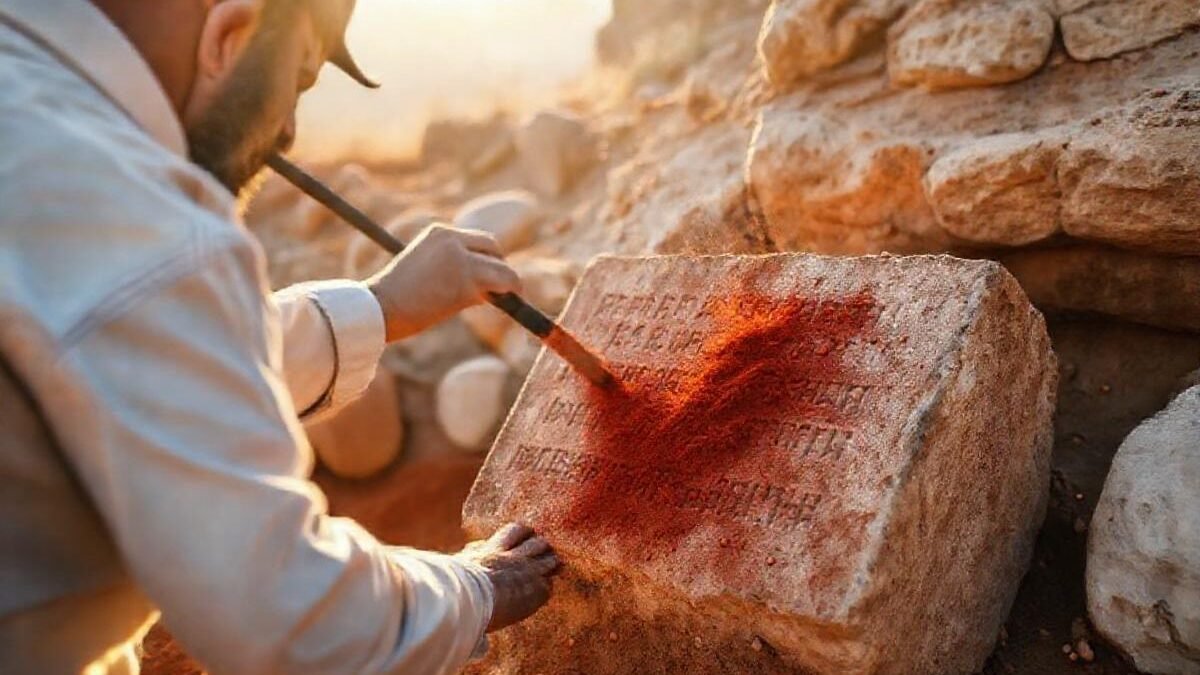
For centuries, the soil of the ancient Near East lay quietly over the remnants of biblical civilization, but over the past two centuries—and with remarkable clarity in our current day—those very stones have begun to speak. A recent survey of archaeological scholarship details three notable works: Paul D. Weaver’s Faith-Affirming Findings, Titus Kennedy’s Archaeology and the People of the Bible, and Paul N. Anderson’s scholarly volume Archaeology, Jesus, and the Gospel of John. Read the source article to discover how these researchers demonstrate that Scripture is anchored in verified time, geography, and culture, fulfilling the evangelist Luke’s commitment to write “an orderly account… that you may have certainty concerning the things you have been taught” (Luke 1:1–4).
The Heart of Skepticism: Why Evidence Matters to Doubting Souls
Modern skepticism often assumes that the biblical authors operated in a realm of myth, detached from hard chronological facts. Yet the Apostle Peter addressed this temptation head-on when writing to early believers facing mockers and cynics. Peter was adamant that Christian testimony did not originate in mystical invention: “For we did not follow cleverly devised myths when we made known to you the power and coming of our Lord Jesus Christ, but we were eyewitnesses of his majesty” (2 Peter 1:16).
“For we did not follow cleverly devised myths when we made known to you the power and coming of our Lord Jesus Christ, but we were eyewitnesses of his majesty.” — 2 Peter 1:16
The fallen human condition routinely suppresses the truth of God in unrighteousness, preferring vague spirituality over the moral accountability demanded by a God who acts directly in human history (Romans 1:18–23). By reducing the Bible to poetic allegories, the natural mind attempts to evade the living God whose law is written on our hearts (Ephesians 4:17–18). But when the spade of the archaeologist turns up the royal seal of King Hezekiah, the name of Pontius Pilate inscribed on Caesarea’s stone, or the ossuary of the high priest Caiaphas, the evasion becomes harder to sustain.
The Incarnation: God in Real Dust and Dirt
Unlike religions that consist merely of timeless ethical maxims or cosmic myths, biblical faith is inextricably bound to the reality of the Incarnation. The central claim of the Christian faith is that the eternal Creator did not remain distant; rather, “the Word became flesh and dwelt among us, and we have seen his glory, glory as of the only Son from the Father, full of grace and truth” (John 1:14).
“And the Word became flesh and dwelt among us, and we have seen his glory, glory as of the only Son from the Father, full of grace and truth.” — John 1:14
This historical rooting is especially evident in the Gospel of John, once dismissed by radical critics as an unhistorical, late theological treatise. Modern excavations have overturned such skepticism by unearthing the five-porticoed Pool of Bethesda near the Sheep Gate (John 5:2–3) and the stepped Pool of Siloam (John 9:7). The Apostle John did not spin theological abstractions from an ivory tower; he recorded real events witnessed in specific first-century locations, leading straight to the pavement where Christ stood before Roman authority (John 19:13).
Our redemption took place within calendar dates and imperial decrees. Paul reminds the Galatian churches that “when the fullness of time had come, God sent forth his Son, born of woman, born under the law, to redeem those who were under the law” (Galatians 4:4–5). John similarly grounds his testimony in tangible sensory data: “That which was from the beginning, which we have heard, which we have seen with our eyes, which we looked upon and have touched with our hands, concerning the word of life” (1 John 1:1). Jesus breathed our air, walked our dusty trails, bled on Roman wood, and conquered a stone-sealed tomb in the province of Judea.
Living with Grounded Faith: Three Daily Callings
Recognizing the historical reality of Scripture should transform the way believers read their Bibles, engage the culture, and worship the Savior, enabling them to remain “rooted and built up in him and established in the faith” (Colossians 2:6–7).
1. Read Scripture as Living History
When you open your Bible, resist treating the narratives as fairy tales disconnected from geography and time. Emulate the Berean believers who scrutinized the Scriptures daily to see if these things were true (Acts 17:11). Remember that every book of Scripture is God-breathed and profitable for equipping the disciple for every good work in the real world (2 Timothy 3:16–17).
2. Engage Skeptics with Charitable Reason
When colleagues, neighbors, or family members voice doubts about the Bible, meet their objections not with defensive anger, but with reasoned grace. We are exhorted: “Always [be] prepared to make a defense to anyone who asks you for a reason for the hope that is in you; yet do it with gentleness and respect” (1 Peter 3:15). Let your speech always be gracious, seasoned with salt, so that you may know how you ought to answer each person (Colossians 4:6).
3. Allow Tangible Evidence to Spark Deep Praise
Archaeological artifacts should never become idols of intellectual pride, but catalysts for humble adoration. The psalmist reminds us: “Great are the works of the Lord, studied by all who delight in them” (Psalm 111:2). Faith is not belief in the absence of evidence; rather, faith is confident trust in the God who has demonstrated His faithfulness through generations of verified historical acts (Hebrews 11:1–3).
The Empty Tomb: The Ultimate Ground of Hope
While the spade of archaeology can verify an ancient city gate, decipher a royal bulla, or reconstruct an ancient pool, no artifact can rescue a human soul from the curse of sin. Scripture diagnoses our condition with sober clarity: “For all have sinned and fall short of the glory of God, and are justified by his grace as a gift, through the redemption that is in Christ Jesus” (Romans 3:23–24).
Our greatest need is not merely intellectual confirmation, but spiritual resurrection. God showed His love for us in this historical reality: “While we were still sinners, Christ died for us” (Romans 5:8). Jesus bore the penalty for our transgressions upon the cross, was laid in a physical tomb cut into limestone, and rose bodily on the third day in victory over sin and death, exactly in accordance with the Scriptures (1 Corinthians 15:3–4).
Today, the invitation of the gospel is extended to you in real time and space. The Scriptures promise: “If you confess with your mouth that Jesus is Lord and believe in your heart that God raised him from the dead, you will be saved” (Romans 10:9). Turn away from self-reliance, place your wholehearted trust in the crucified and risen Christ, and step out of darkness into the everlasting light of His new creation (2 Corinthians 5:17).