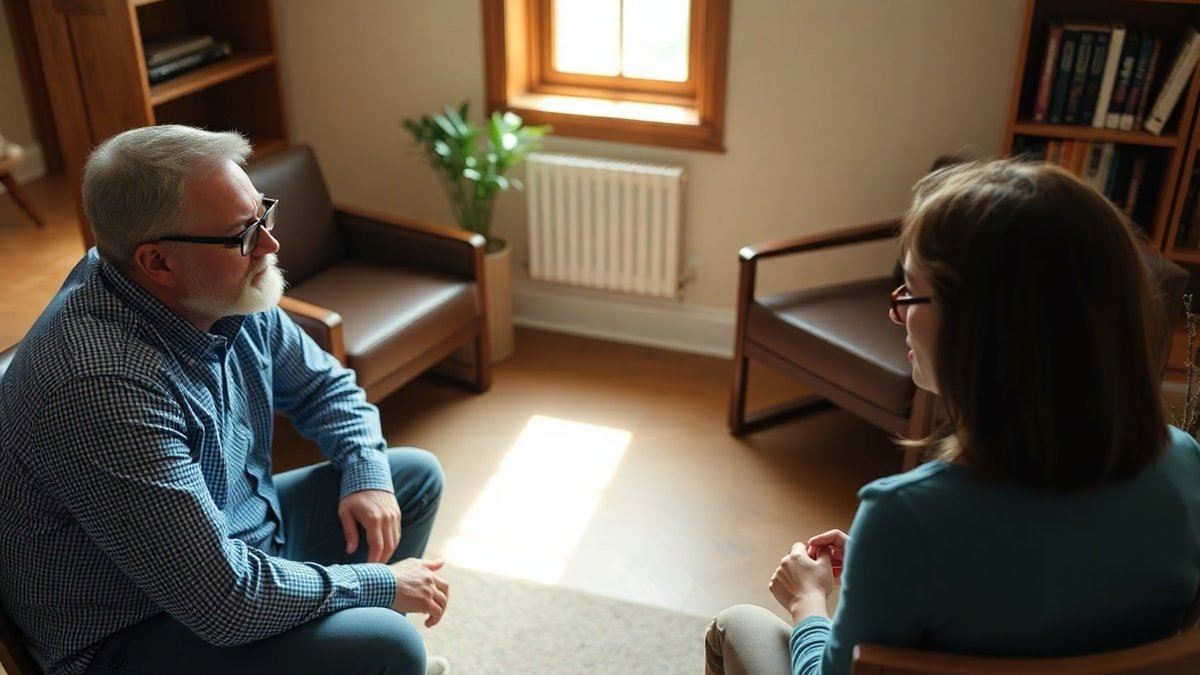
Many of us have felt the invisible grip of trauma—an anxiety that flares without obvious cause, a tightness in the chest after a painful memory, or a lingering sense of worthlessness. The Bible does not shy away from this broken reality; it names the human condition as one marred by sin and suffering (Romans 3:23). Read the source article and see how modern science mirrors the biblical portrait of a fallen creation.
Biblical Diagnosis: The Whole‑Person Fallen State
The Scriptures portray humanity as a unified being—body, mind, and heart—corrupted together by the curse (Genesis 3:17‑19). Our thoughts are captive to sin (Ephesians 4:22‑24), our emotions are bruised (Jeremiah 17:9), and our physical bodies bear the consequences of that brokenness (Psalm 38:3‑4). The apostle Paul reminds us that even before we are regenerated, we are “dead in trespasses and sins” (Ephesians 2:1). This holistic diagnosis echoes the modern finding that trauma is not merely a brain glitch but a whole‑person wound.
“For all have sinned and fall short of the glory of God” (Romans 3:23, ESV).
Christ at the Center: Redemption for Body, Mind, and Heart
Jesus entered the world precisely because the whole person—body, mind, and heart—was in need of rescue. He bore our physical frailty on the cross (John 1:14), took on our mental brokenness by confronting the lies of the enemy (Hebrews 4:12), and healed our wounded hearts by offering Himself as the true shepherd (John 10:11‑15). The resurrection declares that this redemption is complete, promising a future where every part of us will be fully restored (1 Cor 15:42‑44).
“He Himself bore our sins in his body on the tree, that we might die to sin and live to righteousness. By his wounds you have been healed” (1 Peter 2:24, ESV).
Living the Truth: Integrated Discipleship for Trauma
1. Care the Body
- Seek medical or therapeutic care that respects the person God created (1 Cor 6:19‑20). Physical exercise, proper nutrition, and rest are stewardship of the temple of the Holy Spirit.
- Practice embodied worship—kneeling, lifting hands, or walking in nature—to remind the body that it is a vessel of praise (Psalm 150:4).
2. Renew the Mind
- Immerse yourself in Scripture daily; God’s Word is “sharper than any two‑edged sword” that discerns thoughts (Hebrews 4:12). Memorize verses that counter trauma‑filled narratives, such as “I can do all things through him who strengthens me” (Philippians 4:13).
- Engage in Christ‑centered counseling that helps re‑frame harmful predictions with the truth of God’s promises (Romans 8:28).
3. Heal the Heart
- Invite the Holy Spirit to bring comfort, remembering that “the LORD is near to the brokenhearted” (Psalm 34:18). Prayer that confesses fear and receives God’s peace (Philippians 4:6‑7) is vital.
- Participate in a community of believers who bear one another’s burdens (Galatians 6:2). Shared testimony reminds us that we are not alone in our wounds.
The Gospel Proclaimed
Our deepest need is not merely for better coping strategies but for the One who can break the power of sin and trauma. All have sinned, and the penalty of that sin is death—physical, mental, and spiritual (Romans 6:23). Yet God, in His immeasurable love, sent His Son, Jesus Christ, to die in our place and rise victorious, offering forgiveness, restoration, and new life (John 3:16; 2 Cor 5:21). By repenting of our sins and trusting in Christ’s finished work, we receive the Holy Spirit, who renews our mind, heals our heart, and ultimately redeems our bodies for eternity.
“For the wages of sin is death, but the free gift of God is eternal life in Christ Jesus our Lord” (Romans 6:23, ESV).