Naval Deployment Amidst Regional Tension
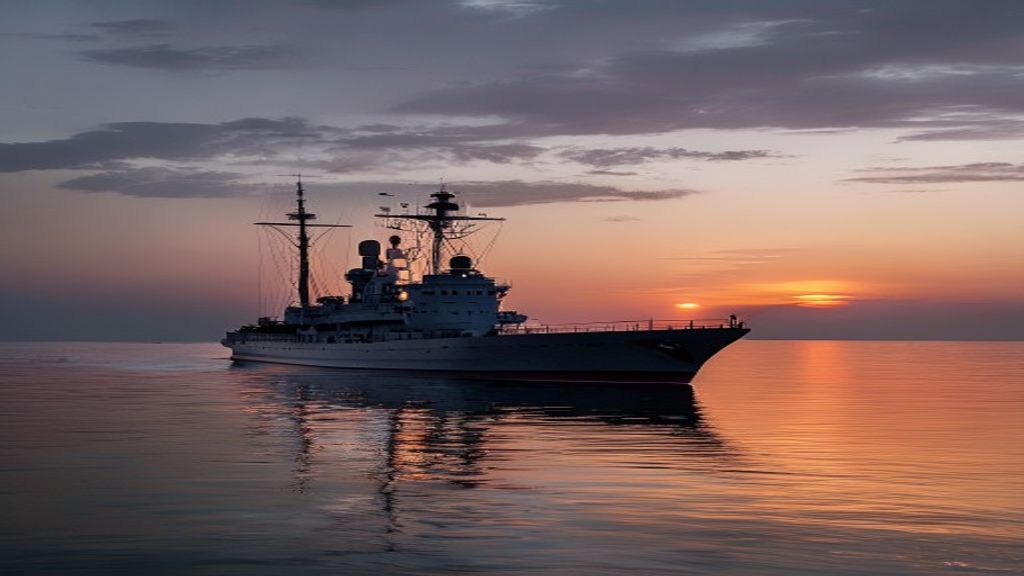
Recent reports indicate that the United Kingdom has deployed a warship to the Middle East, with strategic attention focused on the Strait of Hormuz. This move comes as the United States and Iran appear to be inching toward a potential off-ramp from a conflict described in recent summaries as a ten-week war. France and Britain are reportedly working on a proposal to ensure safe transit through this critical waterway, highlighting the fragility of global supply chains and regional stability.
For Christians observing global events, such developments resonate with biblical themes regarding nations and conflict. The Scripture reminds us that political maneuvers are part of the human landscape, yet God remains sovereign over the affairs of men. As stated in this report from The Jerusalem Post, diplomatic efforts are underway to stabilize the region, yet military assets remain on high alert.
Biblical Perspective on Nations and Peace
The Bible does not shy away from describing the tensions between nations. In Jeremiah 51:27, the prophet speaks of nations being summoned against Babylon, illustrating how geopolitical alliances shift according to divine permission. Similarly, Jesus warned His disciples in Matthew 24:6 that they would hear of wars and rumors of wars, instructing them not to be alarmed, for these things must take place before the end.
The presence of warships in critical waterways reminds us of the temporary nature of human security. Psalm 46:9 offers a profound contrast to military buildup:
“He makes wars cease to the end of the earth; he breaks the bow and shatters the spear; he burns the chariots with fire.”
This verse offers hope amidst uncertainty. While human governments strive for security through military presence, believers find their ultimate security in the Lord. The deployment of naval assets highlights the fragility of human peacekeeping efforts compared to the eternal peace offered by Christ.
Prophecy and Discernment
From a prophecy-aware perspective, some believers view increased activity in the Middle East as significant due to the region’s biblical importance. The land and surrounding nations play a central role in biblical history and future expectation. However, it is crucial to label this as perspective rather than definitive fact. We must avoid sensationalism or claiming divine authority for specific interpretations of current events.
Instead, we focus on the gospel advance and the call to pray for peace. As nations maneuver for position, the church is called to stand firm in faith. We do not predict dates or claim these events prove the end times outright. Rather, we recognize the times and seek wisdom. The focus remains on justice, truth, and the hope found in Christ amidst a changing world. Believers are encouraged to study Scripture diligently, ensuring that their hope is anchored in God’s promises rather than shifting headlines.
Let us pray for those involved in these conflicts, for the safety of civilians, and for the peace of Jerusalem, trusting that God remains on His throne regardless of earthly developments.