What Has Been Reported
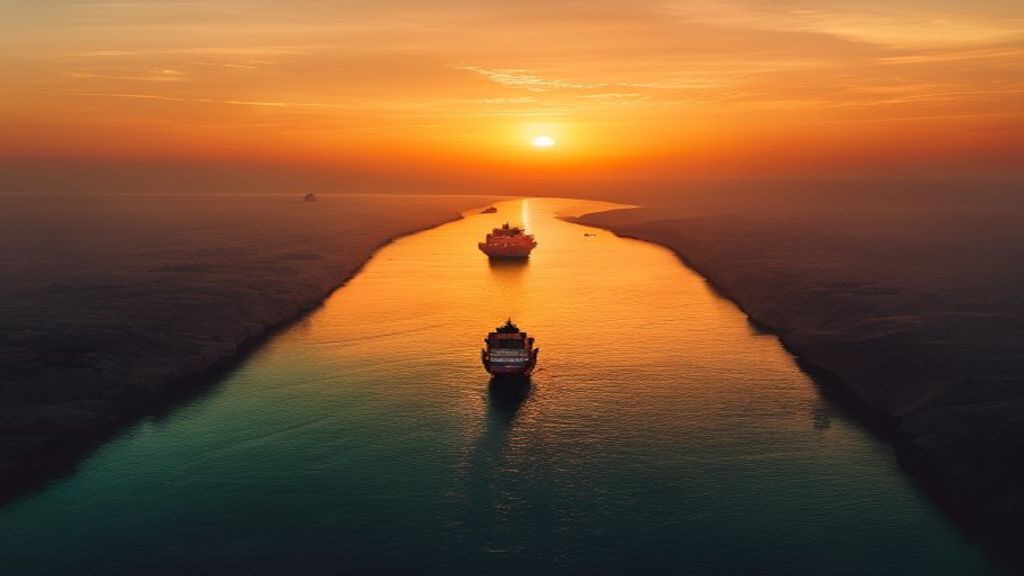
According to a report published by The Jerusalem Post, U.S. President Donald Trump announced that the United States is “starting the process of clearing out the Strait of Hormuz” — a critical global shipping lane through which a significant portion of the world’s oil supply passes. Trump framed the move as “a favor to Countries all over the World, including China, Japan, South Korea, France, Germany, and many others.”
The announcement comes amid escalating tensions, with Iran reportedly threatening to attack unauthorized ships in the strait. The Strait of Hormuz, located between Iran and Oman, has long been a flashpoint for geopolitical conflict and a pressure point in global energy markets.
Read the full report here: US clearing out Strait of Hormuz, Trump claims as Iran threatens to attack unauthorized ships — The Jerusalem Post.
Why This Matters Geopolitically
The Strait of Hormuz is one of the most strategically significant waterways on earth. Any disruption to shipping through this narrow passage can send shockwaves through global energy markets and affect economies worldwide. Iran’s threats to attack unauthorized vessels represent a serious escalation, and the U.S. decision to intervene militarily adds another volatile layer to an already fragile region.
This development also has implications for Israel and the broader Middle East, as Iran remains a central adversary in regional conflicts and a key player in proxy warfare across the area.
A Biblical Lens: Nations, Power, and God’s Sovereignty
For believers who follow world events with a biblical worldview, developments like these invite reflection — not panic, but prayerful discernment. Scripture has much to say about the rise and fall of nations, the use of military power, and God’s ultimate authority over all earthly kingdoms.
“The LORD brings the counsel of the nations to nothing; He makes the plans of the peoples of no effect. The counsel of the LORD stands forever, the plans of His heart to all generations.” — Psalm 33:10–11
This passage reminds us that while nations maneuver for strategic advantage, God’s purposes are never thwarted. No military operation, no matter how powerful, supersedes His sovereign plan.
The prophet Daniel also spoke clearly about God’s authority over world powers:
“He changes times and seasons; He deposes kings and raises up others. He gives wisdom to the wise and knowledge to the discerning.” — Daniel 2:21
A Perspective, Not a Prediction
Some students of Bible prophecy note that the broader Middle East — including Persia (modern-day Iran) — features prominently in prophetic Scripture, particularly in passages like Ezekiel 38–39, which describe a future coalition of nations that moves against Israel. Iran is widely identified by many Bible scholars as part of this coalition.
It is important to be clear: we are not claiming that this specific event fulfills any prophecy. Rather, we observe that the ongoing tensions involving Iran, global powers, and the broader Middle East align with themes that Scripture addresses — themes of conflict among nations, the protection of Israel, and the unfolding of God’s redemptive plan for history.
As Jesus Himself instructed His followers:
“You will hear of wars and rumors of wars. See that you are not alarmed, for this must take place, but the end is not yet.” — Matthew 24:6
Our Response as Believers
- Pray for peace — for the people of Iran, the United States, Israel, and all nations affected (1 Timothy 2:1–2).
- Stay informed but not fearful — God has not given us a spirit of fear, but of power, love, and a sound mind (2 Timothy 1:7).
- Trust in God’s sovereignty — He is working all things according to His purposes (Romans 8:28).
- Share the gospel — times of uncertainty often open hearts to the hope found only in Christ.
Let us watch, pray, and remain faithful stewards of the truth in these significant days.