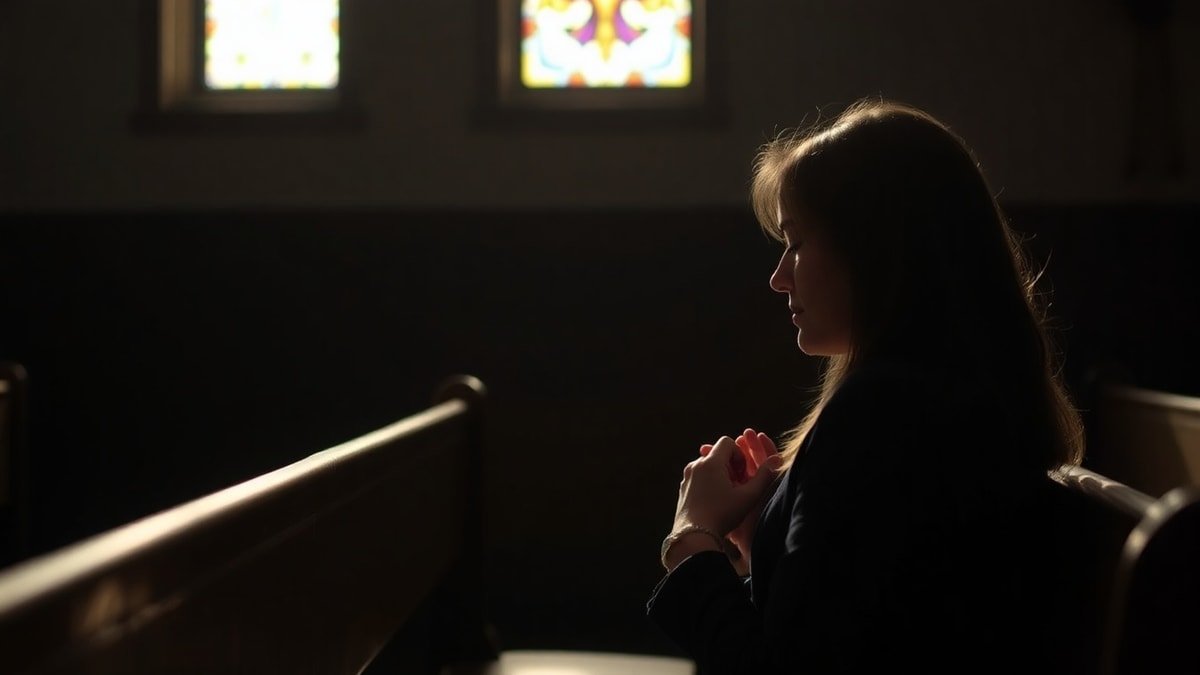
There is a weight that nearly every human being knows, even if they cannot name it. It settles in the chest after a failure, rises in the throat when a secret is exposed, and whispers in the quiet hours of the night: You are not enough. You are disgraced. You do not belong. That weight has a name. It is shame.
Shame is not merely a feeling of guilt over something we have done. It is the deeper, more devastating sense that we ourselves are the problem — that we are fundamentally unacceptable before God, before our community, and before the world. And it is one of the oldest wounds in the human story. Read the source article from theologian Uche Anizor, whose reflections on Psalm 119 and the Beatitudes form a rich starting point for this exploration.
The Root of Shame: A Biblical Diagnosis
To understand shame, we must go back to the beginning. Before the fall, Adam and Eve stood before God and one another in complete transparency: “And the man and his wife were both naked and were not ashamed” (Genesis 2:25). There was no hiding, no performance, no fear of exposure — because there was no guilt, no rupture in the relationship with their Creator.
Then sin entered. And the very next verse after the fall records: “Then the eyes of both were opened, and they knew that they were naked. And they sewed fig leaves together and made themselves loincloths” (Genesis 3:7). Shame arrived the moment humanity turned away from God. The hiding, the covering, the desperate attempt to manage one’s own disgrace — these are the instincts of a fallen race.
“For all have sinned and fall short of the glory of God.” — Romans 3:23
The Apostle Paul’s diagnosis is unflinching. Every human being stands before a holy God in a condition of moral failure, and the natural consequence of that failure is shame before the only audience that ultimately matters. The prophet Jeremiah saw it too: “The heart is deceitful above all things, and desperately sick; who can understand it?” (Jeremiah 17:9). Our shame is not merely social anxiety or low self-esteem. It is a spiritual condition rooted in the reality of sin and our broken standing before a righteous God.
As Anizor helpfully frames it, shame operates before three audiences: God, fellow believers, and outsiders. We may feel shame for violating God’s law, or we may feel shame for failing to live up to the expectations of the world around us. But the deepest shame — the one that Scripture most urgently addresses — is the disgrace we carry before a holy God who sees everything we are and everything we have done.
The Answer to Shame: Jesus Christ
The gospel is, among many things, God’s definitive answer to human shame. And it answers shame in the most unexpected way imaginable: not by minimizing our disgrace, but by absorbing it entirely in the person of Jesus Christ.
“For our sake he made him to be sin who knew no sin, so that in him we might become the righteousness of God.” — 2 Corinthians 5:21
The cross was, by design, a place of maximum public shame. Roman crucifixion was engineered not only to kill but to humiliate — to strip a person of dignity before God, community, and the watching world. Jesus, the sinless Son of God, willingly entered into the deepest possible human shame so that those who trust in him might be freed from it forever. The writer of Hebrews captures this with stunning clarity: “looking to Jesus, the founder and perfecter of our faith, who for the joy that was set before him endured the cross, despising the shame, and is seated at the right hand of the throne of God” (Hebrews 12:2).
Jesus did not merely endure shame. He conquered it. And his resurrection is the Father’s public vindication of the Son — the declaration before all creation that the one who bore our disgrace has been exalted above every name. This is the logic of the Beatitudes that Anizor draws our attention to: those who are poor in spirit, who mourn, who are persecuted and dragged through the mud — Jesus says they will be vindicated. Not always immediately, but ultimately and completely, before the only audience whose verdict is final.
“For the Scripture says, ‘Everyone who believes in him will not be put to shame.'” — Romans 10:11
This is the promise that anchors the believer’s identity. Not that we will never experience social rejection or public misunderstanding in this life, but that before God — the supreme audience — we will never be disgraced. Christ has taken our shame and given us his righteousness.
Living It Out: Walking Free from Shame
Understanding the gospel’s answer to shame is one thing. Learning to walk in that freedom day by day is the ongoing work of discipleship. Here are three practices rooted in Scripture that help believers live in the freedom Christ has purchased:
- Anchor your identity in God’s verdict, not the world’s opinion. The world’s shaming voices are loud, but they are not final. Meditate on texts like Romans 8:1 — “There is therefore now no condemnation for those who are in Christ Jesus” — until your heart begins to believe what God has declared true about you in his Son.
- Bring shame into the light through confession and community. Shame thrives in secrecy. The Apostle James commands: “Therefore, confess your sins to one another and pray for one another, that you may be healed” (James 5:16). A faithful community of believers is one of God’s primary instruments for dismantling the power of shame in our lives.
- Return to God’s Word as a daily source of truth. Psalm 119:6 declares: “Then I shall not be put to shame, having my eyes fixed on all your commandments.” Scripture is not merely a rulebook; it is the living voice of a God who delights in his people and speaks truth over them when the world speaks disgrace. Regular, meditative engagement with the Bible reorients our sense of who we are and whose we are.
The Gospel Proclaimed: Grace for the Disgraced
Every one of us has stood in the place of Adam and Eve — exposed, ashamed, reaching for something to cover ourselves. We have sinned against a holy God, and we have felt the weight of that disgrace in ways both conscious and hidden. No amount of achievement, approval, or self-improvement can lift that burden. We cannot cover ourselves.
But God, in his infinite mercy, did not leave us hiding in the garden. He sent his Son. Jesus Christ — fully God and fully man — lived the life of perfect obedience we could never live, died the death of public shame we deserved, and rose from the dead on the third day, vindicating all who trust in him. He offers, freely and by grace alone, the forgiveness of sins and a new identity as beloved children of God.
If you carry shame today — whether from sin you have committed, wounds others have inflicted, or simply the quiet sense that you are not enough — the gospel is your answer. Turn to Jesus. Confess your need. Receive his grace. “Everyone who believes in him will not be put to shame” (Romans 10:11). That is not a promise the world can make. But it is the promise of the risen Christ — and it will never fail.