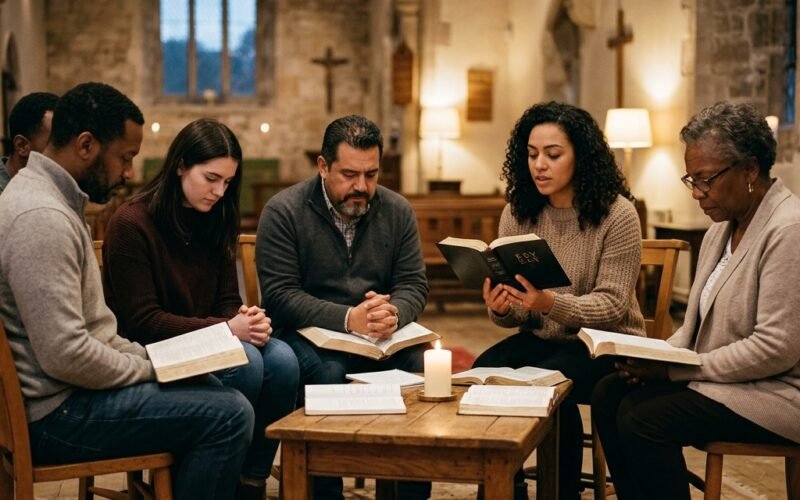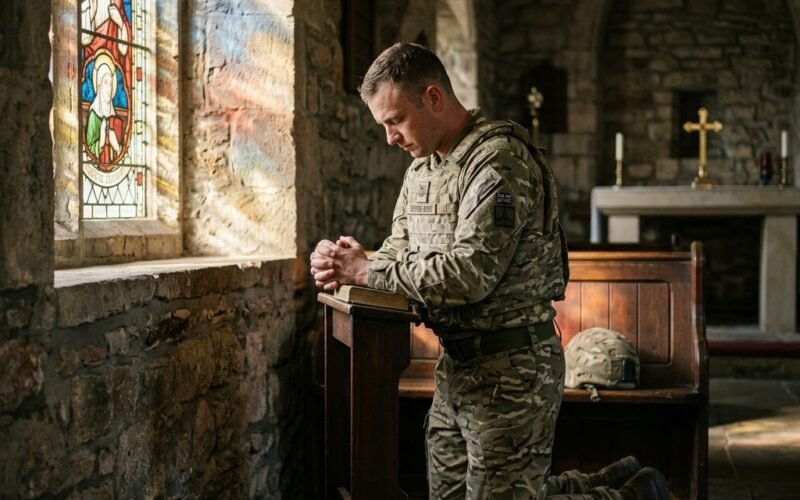
Modern life often feels fragmented, pulled in dozens of competing directions by digital notifications, relentless schedules, and cultural anxieties. The human soul was created for uninterrupted communion with its Creator, yet our daily devotions easily devolve into sporadic, transactional moments squeezed into the margins of exhausted days. As the Psalmist cries out, “As a deer pants for flowing streams, so pants my soul for you, O God” (Psalm 42:1). We intuitively long for spiritual stability, but without intentional rhythms, our spiritual lives default to the chaotic pace of self-reliance. Worship is not merely an emotional reaction to our shifting circumstances; it is the daily recalibration of our affections around the eternal reality of God.
A well-crafted pattern of devotion provides a sanctifying structure that anchors our wandering hearts in divine truth. Highlighting the rich heritage of biblical liturgy, scholars like Jonathan Gibson emphasize how structured daily prayer centers our lives on humanity’s primary purpose—to glorify God and enjoy Him forever (Read the source article). When we turn to the Psalter, we discover an inspired vocabulary for the soul that teaches us how to adore, confess, lament, and hope in God (Psalm 18:1–3). Liturgical rhythms are not empty rituals; rather, when quickened by the Holy Spirit, they become habitations of grace that continuously align our thoughts with the character of God.
The Biblical Diagnosis: Disordered Desires and Spiritual Drift
Scripture diagnoses the foundational human struggle not as a lack of time, but as a disordered heart that seeks satisfaction in created things rather than the Creator. The prophet Jeremiah exposes this spiritual delusion with haunting clarity:
“For my people have committed two evils: they have forsaken me, the fountain of living waters, and hewed out cisterns for themselves, broken cisterns that can hold no water.” — Jeremiah 2:13
Because of our fallen nature, our natural inclination is spiritual drift and self-exaltation (Romans 3:10–12). When personal worship lacks biblical depth and structure, it easily mirrors the surrounding culture—seeking fleeting emotional high points or therapeutic comfort rather than reverent communion with the Holy One of Israel (Romans 1:21–23).
Furthermore, the law of God shines light into the hidden corners of our self-righteousness, revealing our utter inability to save ourselves. King David recognized that God demands far more than superficial religious performance: “Behold, you delight in truth in the inward being, and you teach me wisdom in the secret heart” (Psalm 51:6). Human effort cannot bridge the holy chasm opened by our transgression, nor can unguided discipline cure a cold heart (Romans 8:7–8). We require a daily devotional framework that exposes our sin through God’s Law, leads us into sincere repentance, and directs our gaze to sovereign mercy.
The Christological Anchor: Jesus, Our Great High Priest and Perfect Worshiper
The ultimate remedy for our broken worship is found not in a rigid system of rules, but in the person and finished work of Jesus Christ. Jesus is the true and perfect Worshiper who rendered absolute obedience to the Father on our behalf and fulfilled every demand of the Law (Matthew 5:17). Where we fail to love God with all our heart, mind, and strength, Christ offered a sinless life of unblemished devotion (John 8:29). He is our merciful High Priest who offered Himself as the final sacrifice for our sins and entered the heavenly sanctuary on our behalf.
“Therefore, brothers, since we have confidence to enter the holy places by the blood of Jesus, by the new and living way that he opened for us through the curtain, that is, through his flesh, and since we have a great priest over the house of God, let us draw near with a true heart in full assurance of faith.” — Hebrews 10:19–22
Because Christ is the ultimate fulfillment of the Scriptures, every line of biblical liturgy finds its true focus in Him. Jesus sang the Psalms with His disciples, quoted them in His public ministry, and prayed them from the cross in His hour of deepest suffering (Luke 24:44; Matthew 27:46). When we call upon the Lord as our rock, fortress, and deliverer, we are leaning directly upon Jesus, the unshakeable cornerstone of our redemption (Psalm 18:2; 1 Corinthians 10:4). He is the eternal Word through whom all things were created, and in Him every promise of God receives its glorious amen (2 Corinthians 1:20).
Living It Out: Cultivating Gospel-Shaped Daily Worship
Integrating structured biblical worship into our daily routines transforms quiet times from dry obligations into vibrant encounters with the living God. Below are practical rhythms to cultivate in personal and family worship:
1. Begin with God’s Call to Worship and Adoration
True worship starts with God’s initiative, not our variable feelings. Opening your prayer time with Scripture’s call to worship forces the mind to look upward to the majesty and sovereignty of God (Psalm 95:1–3). Spending time in explicit adoration acknowledges God’s infinite holiness, power, and wisdom before making any personal petitions (Psalm 145:3).
2. Practice Regular Confession and Receive Gospel Assurance
A healthy liturgical rhythm refuses to cover over sin or take divine grace for granted. Hearing God’s Law convicts our conscience, prompting humble confession rather than self-justification (Psalm 130:3–4). Crucially, confession must always be answered by the assurance of pardon grounded in the gospel, resting in the truth that God is “merciful and gracious, slow to anger and abounding in steadfast love” (Psalm 86:15; 1 John 1:9).
3. Ground Your Mind in Catechesis and Scripture Reading
In an age marked by moral confusion, declaring historic Christian creeds and reviewing foundational catechism questions builds deep doctrinal stability (2 Timothy 1:13). Paired with consecutive reading of the Bible, this practice equips believers to discern error and grow in spiritual maturity (Psalm 119:105). Allowing the word of Christ to dwell in us richly produces steady spiritual growth (Colossians 3:16).
4. Offer Spirit-Led Intercessions for the Church and World
Devotional life must never become self-absorbed; it should naturally overflow into earnest prayer for others. Following the model of the Lord’s Prayer, bring your daily needs, your local church, and unreached nations before the throne of grace (Matthew 6:9–13). Praying for gospel advancement and the flourishing of your neighbors reflects the intercessory heart of Christ (1 Timothy 2:1–2).
The Hope of the Gospel
At the center of every biblical liturgy stands the good news of Jesus Christ. We were all dead in our trespasses and sins, utterly incapable of earning God’s favor or cleansing our own guilty hearts (Ephesians 2:1–3). Yet God, in His infinite love and rich mercy, sent His Son to bear the judgment we deserved upon the cross (1 Peter 2:24). Jesus gave His life as a substitutionary ransom, died, was buried, and rose bodily from the grave on the third day, triumphing over sin, Satan, and death forever (1 Corinthians 15:3–4).
Salvation is not earned by our religious performance, devotional consistency, or liturgical accuracy; it is a free gift of God received through faith alone in Jesus Christ (Ephesians 2:8–9). If you repent of your sin and trust in the crucified and risen Lord, you are fully forgiven, reconciled to God, and granted eternal life (Romans 10:9–10). As we anchor our daily lives in this glorious truth, our worship becomes an enduring anthem of praise to the Father, Son, and Holy Spirit, who alone is worthy of all glory forever (Psalm 115:1).