How to Maintain Consistent Character Faces Across Multiple AI Image Generations?
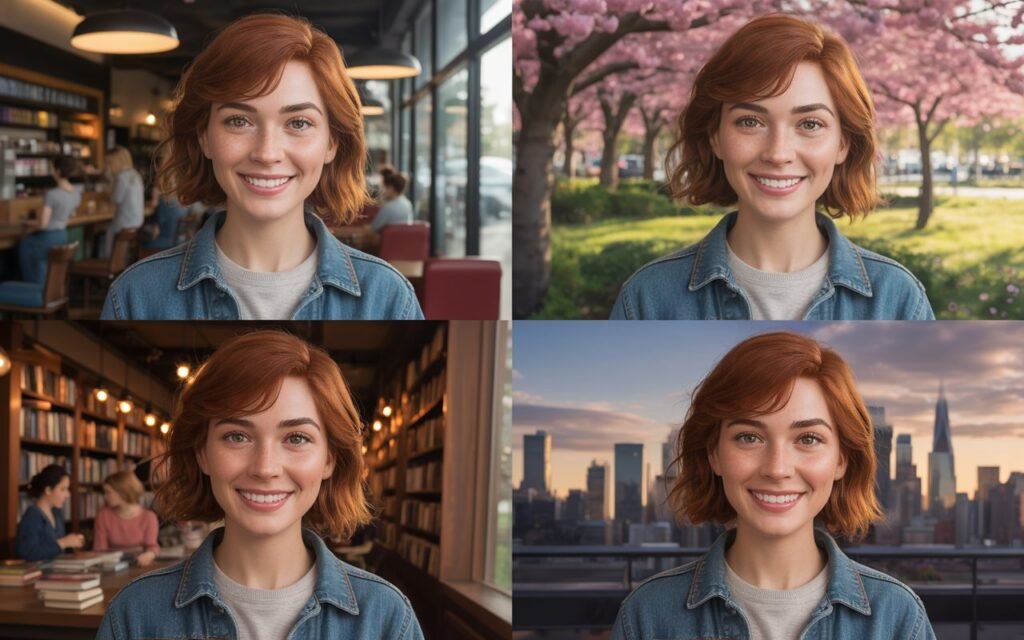
AStoryboarding a graphic novel, product campaign, or multi-scene video with AI image generators quickly hits a common production wall: every new prompt generates a completely different face for your protagonist. Locking in identical facial bone structure, eye spacing, and lighting across dozens of renders requires combining seed locking, multi-angle character sheets, and IP-Adapter (Image Prompt … Read more
Building a Multi-Step AI Prompt Pipeline for Long-Form Video Script Outlining

Generating a cohesive, 20-minute long-form video script using a single AI prompt consistently fails due to Large Language Model (LLM) context window degradation and conflicting instructional objectives. When forced to research topics, structure a narrative arc, write dialogue, maintain consistent character avatars, and format visual cues simultaneously, models balance competing objectives poorly. This leads to … Read more

Automating Website Feature Image Generation Using Custom AI Prompt Templates

Manually sourcing, resizing, and uploading feature images for large-scale digital publishing creates a severe editorial bottleneck that stalls content velocity. Automating website feature image generation bridges the critical gap between text-based Content Management Systems (CMS) and generative AI neural networks (such as OpenAI’s DALL-E 3, Google Gemini, Stability AI, or Midjourney via custom API wrappers). … Read more

How to Train Custom Style References in Image Generators for Brand Consistency?

Design teams adopting AI visual tools often struggle to match outputs to an existing brand style guide. Even when two team members copy and paste the exact same text prompt, standard image models produce mismatched color temperatures, varying illustration weights, and conflicting lighting styles. Establishing a repeatable visual identity requires moving beyond text adjectives to … Read more

Fixing Common Artifacts and Text Rendering Glitches in Generative AI Visuals

Nothing gives away an unedited AI illustration faster than misspelled signage, warped keyboard layouts, or extra fingers in the foreground. While modern image synthesis handles broad lighting and composition well, fine geometric structures and embedded typography frequently break down during high-resolution upscaling. Correcting these visual defects efficiently requires targeted regional inpainting, ControlNet Canny edge maps, … Read more