Creating Compliant Terms of Service and Privacy Policy Pages for Digital Publishers
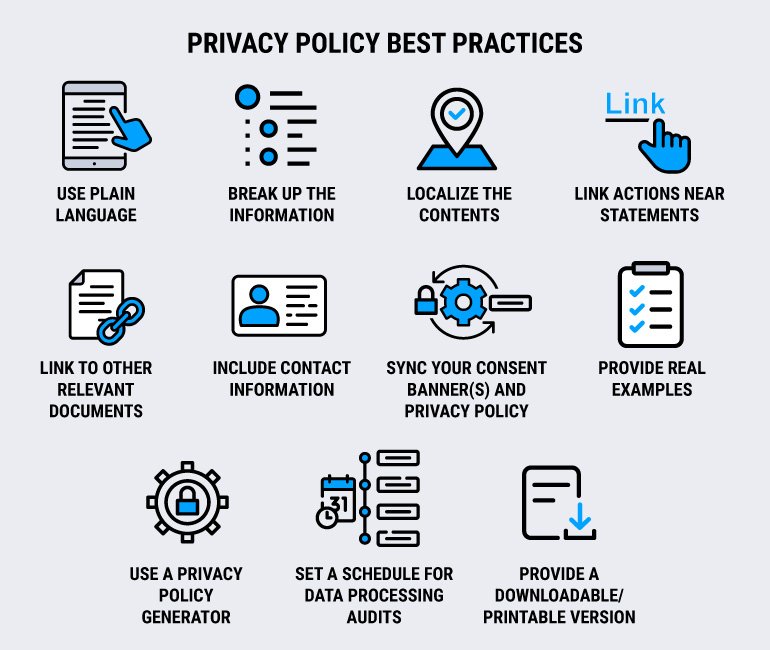
Digital publishing in the modern era requires strict adherence to overlapping international privacy frameworks, including the General Data Protection Regulation (GDPR), the California Privacy Rights Act (CPRA), and CalOPPA. A static, hardcoded Privacy Policy or Terms of Service (ToS) page is no longer sufficient; it is a massive legal liability. When managing a portfolio of … Read more

How to Properly Set Up Hreflang Tags for Multi-Language Websites (Without SEO Errors)?

The hreflang attribute (rel=”alternate” hreflang=”x”) is an HTML directive used to specify the language and geographical targeting of a webpage. When operating a multi-language architecture—such as publishing technical documentation in both global English (en) and Simplified Chinese (zh-Hans)—search engines like Google and Baidu struggle to serve the correct regional variation without explicit routing instructions. Without … Read more

How to Configure Cloudflare Free Tier for Faster Server Response Times on Niche Sites?

Diagnosing WordPress Critical Error via WP_DEBUG_LOG

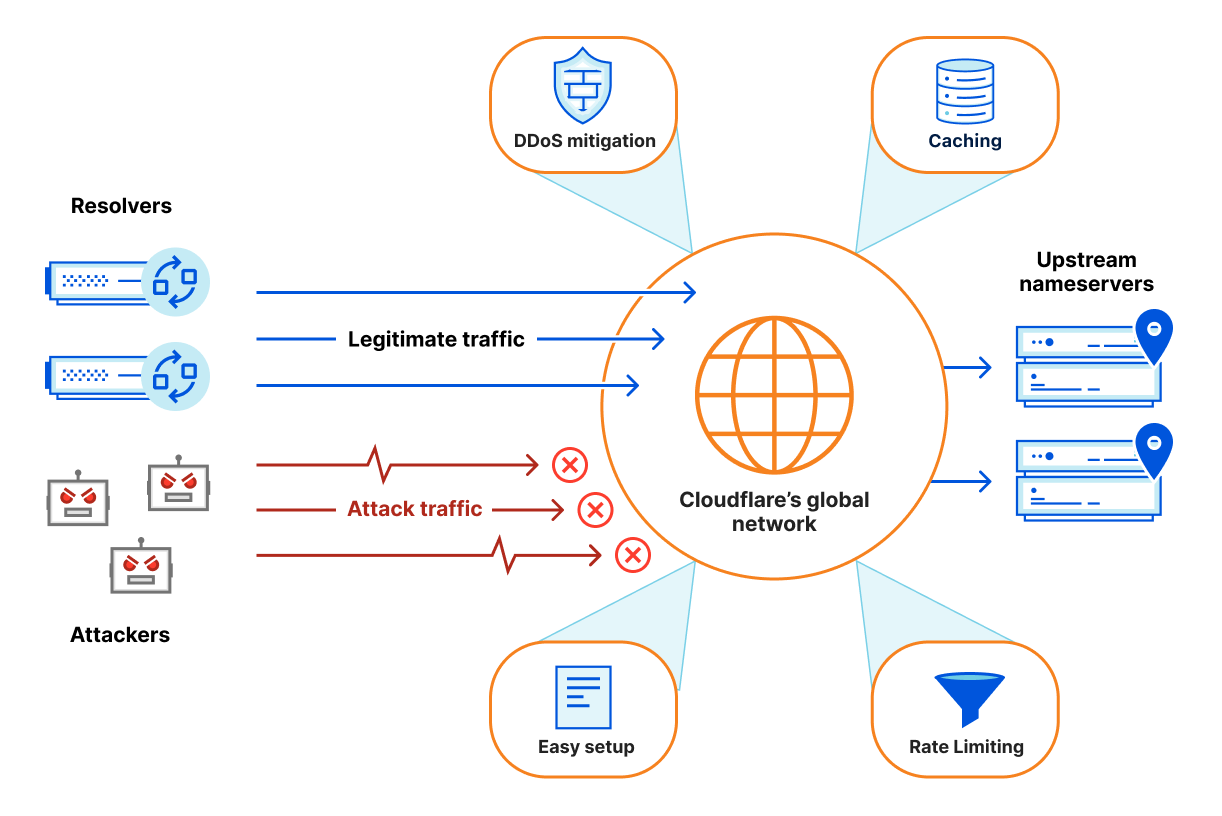
Slow Time to First Byte (TTFB) directly kills niche site conversions and severely throttles organic crawl budgets. While Cloudflare’s Free Tier defaults to proxying DNS and caching static assets (images, CSS, JS), it fundamentally ignores dynamic HTML by default. This means every frontend page load still traverses the internet to hit your origin server, compile … Read more

Building a Flat URL Architecture vs. Silo Category Structure in WordPress

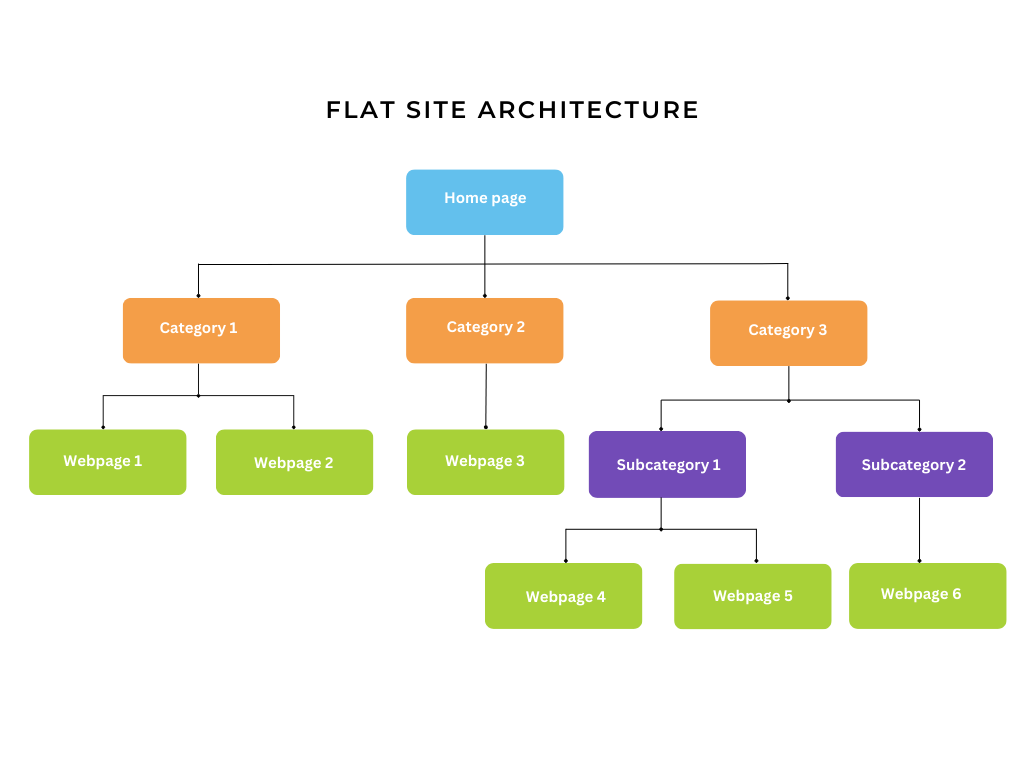
The architectural blueprint of your WordPress permalinks fundamentally dictates how search engine crawlers map and index your content. A flat URL architecture (e.g., [domain.com/post-name/](https://domain.com/post-name/)) places every article at the root level, minimizing click depth and simplifying the backend database routing. In contrast, a silo category structure (e.g., [domain.com/category/post-name/](https://domain.com/category/post-name/)) enforces strict hierarchical taxonomy, clustering related topics … Read more

Fixing Canonical Tag Conflicts and Duplicate Content Warnings in Google Search Console

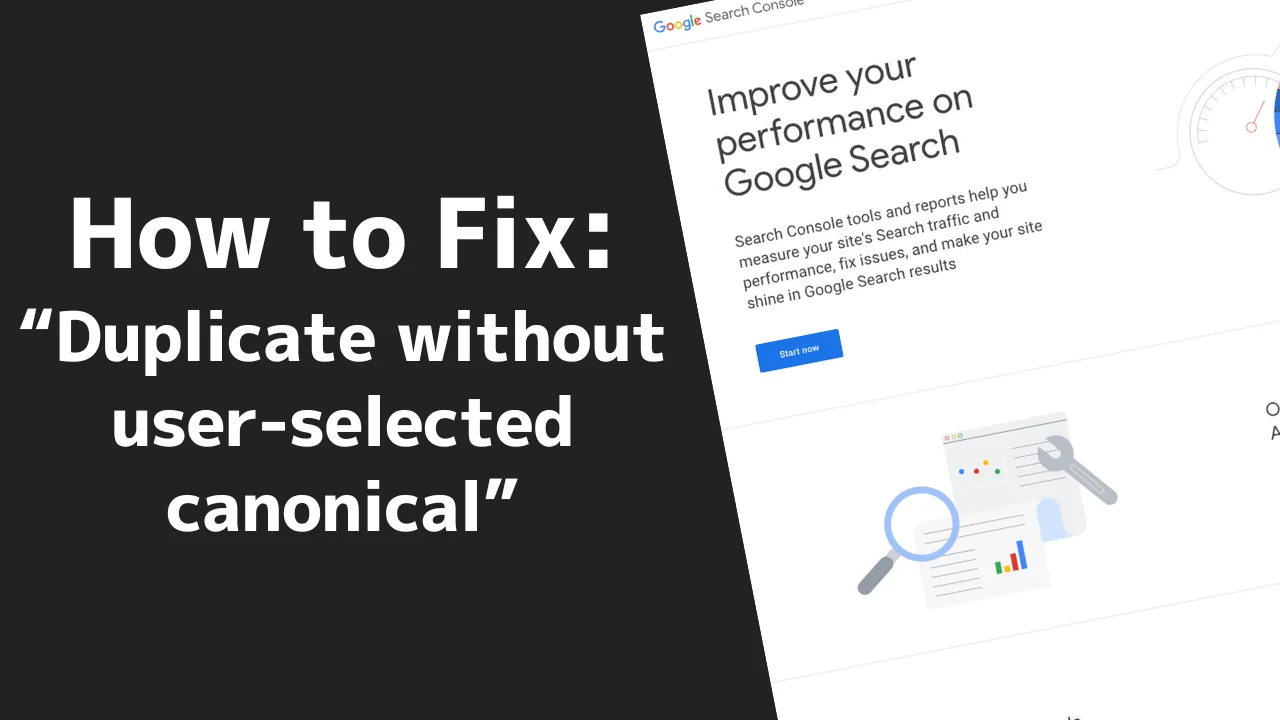
The “Duplicate without user-selected canonical” error in Google Search Console (GSC) indicates that Googlebot discovered multiple URLs rendering identical or near-identical content, but your server failed to declare a preferred primary version via a rel=”canonical” HTML tag. Without explicit directives, Google’s indexing algorithm is forced to arbitrarily guess which URL to index and which to … Read more