Creating Compliant Terms of Service and Privacy Policy Pages for Digital Publishers
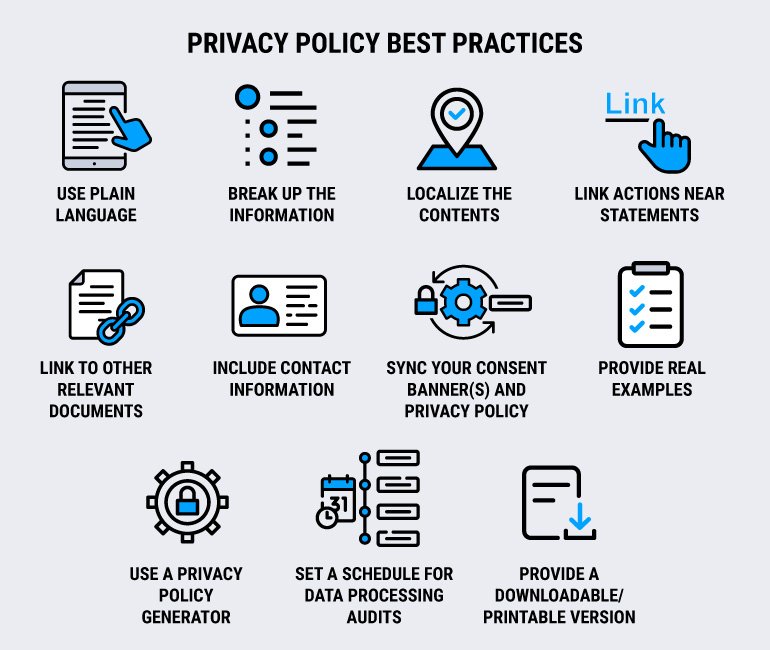
Digital publishing in the modern era requires strict adherence to overlapping international privacy frameworks, including the General Data Protection Regulation (GDPR), the California Privacy Rights Act (CPRA), and CalOPPA. A static, hardcoded Privacy Policy or Terms of Service (ToS) page is no longer sufficient; it is a massive legal liability. When managing a portfolio of … Read more

How to Properly Set Up Hreflang Tags for Multi-Language Websites (Without SEO Errors)?

The hreflang attribute (rel=”alternate” hreflang=”x”) is an HTML directive used to specify the language and geographical targeting of a webpage. When operating a multi-language architecture—such as publishing technical documentation in both global English (en) and Simplified Chinese (zh-Hans)—search engines like Google and Baidu struggle to serve the correct regional variation without explicit routing instructions. Without … Read more

How to Configure Cloudflare Free Tier for Faster Server Response Times on Niche Sites?

Diagnosing WordPress Critical Error via WP_DEBUG_LOG

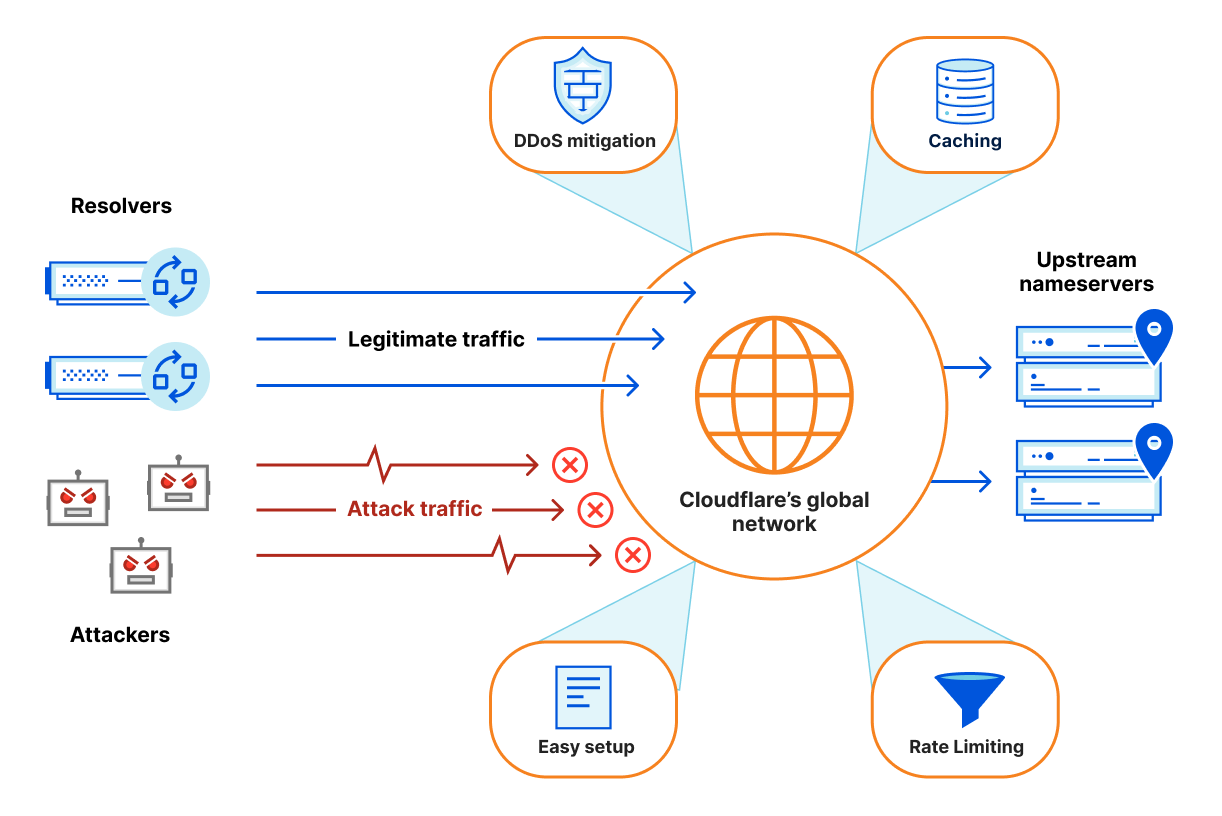
Slow Time to First Byte (TTFB) directly kills niche site conversions and severely throttles organic crawl budgets. While Cloudflare’s Free Tier defaults to proxying DNS and caching static assets (images, CSS, JS), it fundamentally ignores dynamic HTML by default. This means every frontend page load still traverses the internet to hit your origin server, compile … Read more

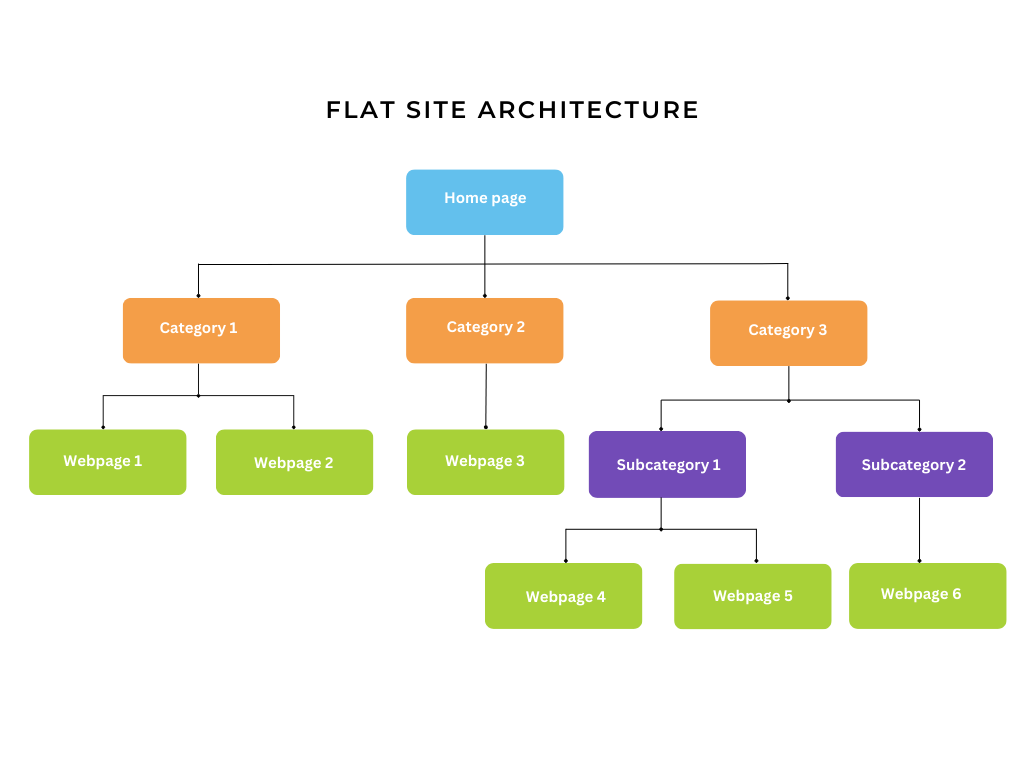
Building a Flat URL Architecture vs. Silo Category Structure in WordPress

The architectural blueprint of your WordPress permalinks fundamentally dictates how search engine crawlers map and index your content. A flat URL architecture (e.g., [domain.com/post-name/](https://domain.com/post-name/)) places every article at the root level, minimizing click depth and simplifying the backend database routing. In contrast, a silo category structure (e.g., [domain.com/category/post-name/](https://domain.com/category/post-name/)) enforces strict hierarchical taxonomy, clustering related topics … Read more

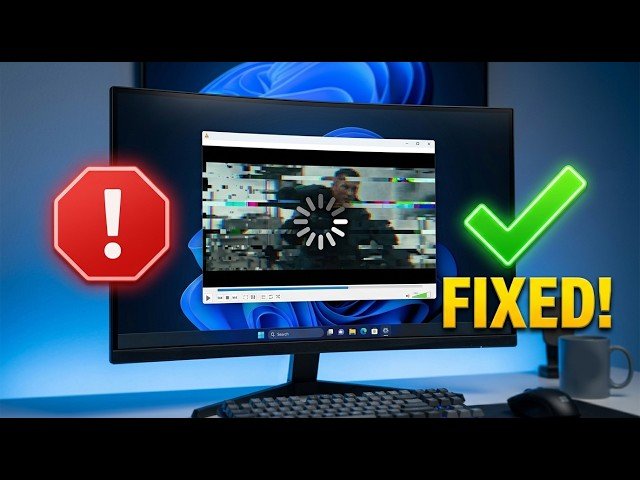
How to Fix Video Rendering Stutters and GPU Acceleration Crashes in Desktop Editors?

Video rendering stutters and GPU acceleration crashes in Non-Linear Editors (NLEs) like Adobe Premiere Pro and DaVinci Resolve are rarely symptoms of catastrophic hardware failure. Instead, they are the direct result of architectural bottlenecks between your CPU, VRAM allocation, and the decompression logic of highly compressed inter-frame codecs (like H.264 and HEVC/H.265). When an editor … Read more

Fixing Canonical Tag Conflicts and Duplicate Content Warnings in Google Search Console

The “Duplicate without user-selected canonical” error in Google Search Console (GSC) indicates that Googlebot discovered multiple URLs rendering identical or near-identical content, but your server failed to declare a preferred primary version via a rel=”canonical” HTML tag. Without explicit directives, Google’s indexing algorithm is forced to arbitrarily guess which URL to index and which to … Read more

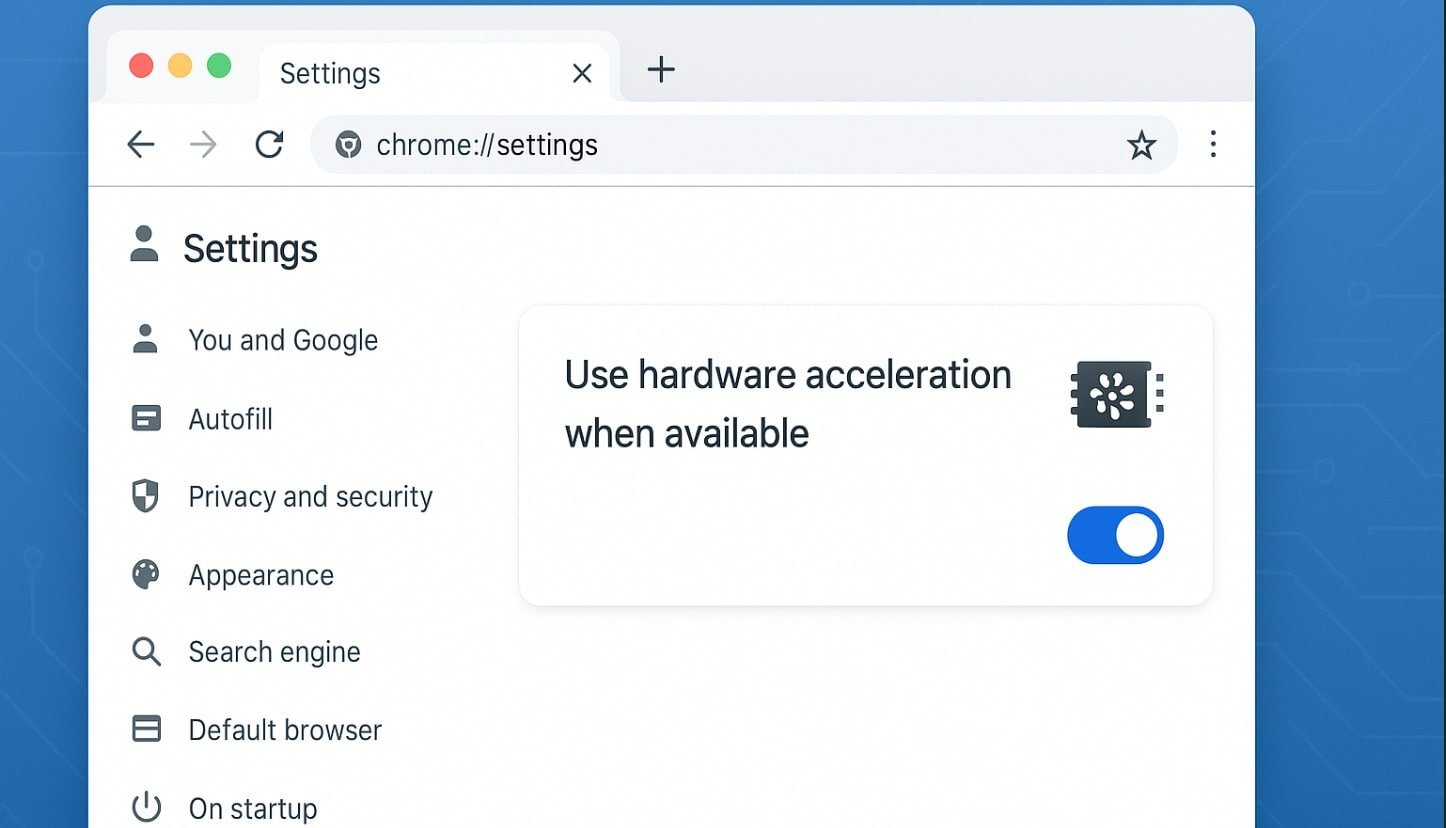
How to Resolve Browser “WebGL Hardware Acceleration Disabled” Glitches?

The “WebGL Hardware Acceleration Disabled” error occurs when a web browser refuses to utilize your computer’s Graphics Processing Unit (GPU) to render 2D and 3D web graphics. WebGL (Web Graphics Library) is a JavaScript API designed to offload heavy rendering tasks from your CPU directly to your GPU. When this pipeline breaks, browsers fallback to … Read more

Fixing “Could Not Connect to the Server” Socket Errors in Desktop Trading Applications

The “Could Not Connect to the Server” socket error in desktop trading clients (such as Binance Desktop, MetaTrader, or ThinkOrSwim) occurs when the local machine fails to establish or maintain a persistent TCP WebSocket connection with the exchange’s matching engine. This failure halts real-time order book data, disrupts limit order execution, and causes sudden application … Read more

How to Clear Corrupted DNS Cache and Reset Winsock in Windows to Fix Network Dropping?

Intermittent network dropping, persistent “DNS Server Not Responding” errors, and abrupt TCP socket disconnects are symptomatic of a corrupted local Domain Name System (DNS) resolver cache or a damaged Windows Sockets API (Winsock) catalog. The DNS cache maps human-readable domain names to numerical IP addresses; when this table caches outdated, corrupted, or poisoned routing paths, … Read more

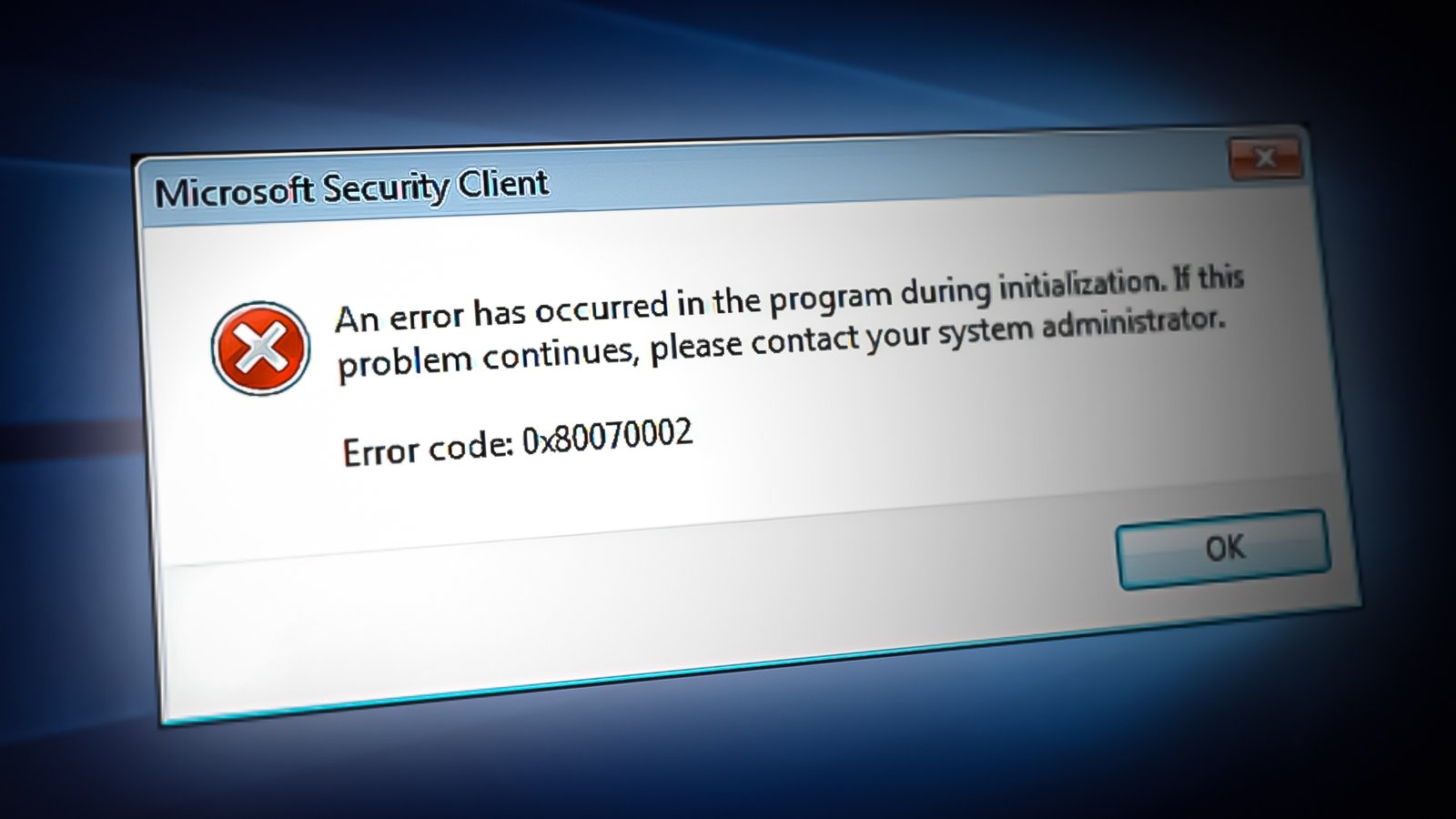
Step-by-Step Fix: Resolving Windows Update Error Code 0x80070002

Windows Update Error Code 0x80070002 translates natively to ERROR_FILE_NOT_FOUND within the Windows kernel architecture. This systemic failure occurs when the Windows Update agent successfully communicates with Microsoft’s servers and downloads an update package, but cannot locate or extract the necessary cryptographic payloads to initiate the installation phase. This missing file state is almost exclusively caused … Read more